
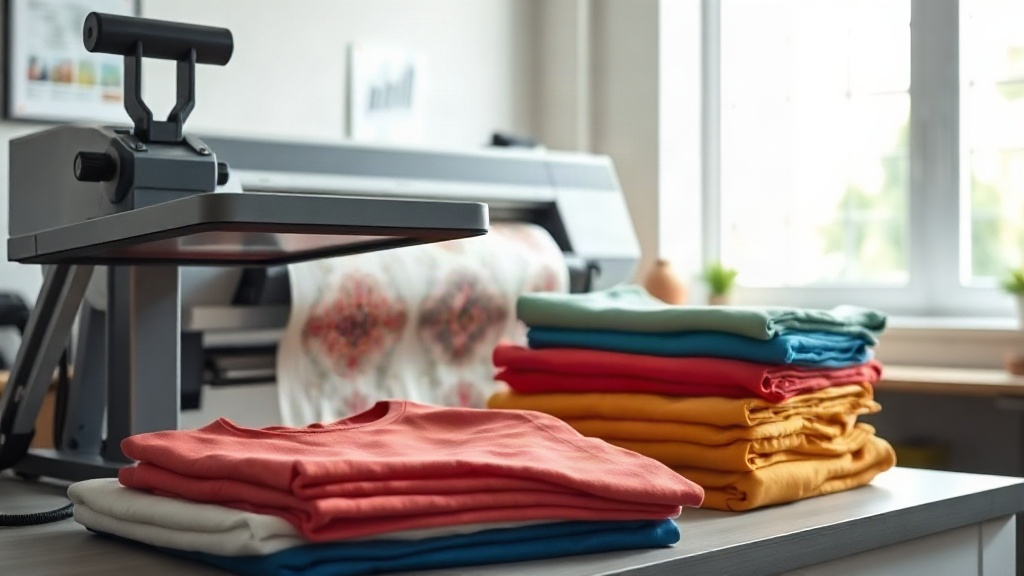
If you have ever peeled a plastisol screen print off a shirt after a few washes, you already know why DTF transfers have become the go-to decoration method for small shops and large fulfillment centers alike. The direct-to-film process delivers stretchable, full-color graphics that hold up on cotton, polyester, and blends, without the setup costs of screens or the limitations of vinyl. But here is the part most guides skip: the transfer is only half the equation. The blank you press it onto determines how the final product feels, fits, and survives real-world wear. In this guide, we will walk through choosing the right garments, comparing two heavyweights in the blank game, Shaka Wear and Smart Blanks, and scaling your operation without sacrificing quality.
Why DTF Transfers Changed the Custom Apparel Game
Before DTF, if you wanted a photorealistic print with gradients and fine details, you either invested in a DTG printer or outsourced to a screen printer who charged per color. Both routes had friction. DTF flipped the script by separating the print from the garment. You print the design onto a PET film, dust it with hot-melt adhesive powder, cure it, and then press it onto whatever substrate you like. The result is a soft-hand print with excellent opacity on dark fabrics, and because the adhesive bonds at a lower temperature than many other methods, you can press onto heat-sensitive materials without scorching.
From a business standpoint, the advantages stack up quickly. You can produce transfers in bulk, store them for months, and press them on demand. That means no more guessing how many shirts to print for an event. Press one sample, show it to the client, and then fulfill the rest as orders roll in. For print shops that offer both DTF and screen printing, DTF handles the short runs and complex artwork while screens handle the high-volume single-color jobs. It is a complementary tool, not a replacement.
Choosing the Right Blank for DTF Transfers
Not every blank plays nicely with DTF. The adhesive needs a surface it can grab onto, and the fabric's weave, fiber content, and finish all affect the final bond. Here is what to look for.
Fiber Content and Weave
100% cotton is the most forgiving. The natural fibers have a slight texture that gives the adhesive something to bite into, and the print feels like it is part of the shirt rather than sitting on top. Ringspun cotton, in particular, offers a smooth, tight surface that produces crisp details. Polyester and poly blends also work, but you need to adjust your press settings. Polyester is heat-sensitive, so lower temperatures (around 280°F to 300°F) and shorter dwell times prevent dye migration and scorching. If you are pressing onto a dark polyester performance shirt, use a low-bleed transfer film or a blocker layer to keep the shirt's dye from bleeding through the print over time.
Tri-blends, those soft cotton-poly-rayon mixes, are popular for retail-style tees, but they can be tricky. The rayon content makes the fabric more delicate, so you will want to use a lower pressure and a pressing pillow to avoid crushing the seams. Always test a sample before running a full batch.
Fabric Weight and Finish
Lightweight blanks (under 4.5 oz) are comfortable but can feel flimsy when loaded with a heavy transfer. Medium-weight (5 to 6 oz) is the sweet spot for most apparel. Heavyweight (6.5 oz and up) works well for workwear and streetwear, but the thicker fabric may require a slightly longer press time to ensure the adhesive fully cures. Also, watch out for fabric softeners or silicone finishes. Some budget blanks come with a silicone wash that repels adhesives, causing the transfer to peel. If you are unsure, press a test transfer and do a wash test before committing.
Shaka Wear vs Smart Blanks: Which Blank Wins for DTF?
Two names come up constantly in wholesale circles: Shaka Wear and Smart Blanks. Both offer reliable options, but they cater to slightly different needs.
Shaka Wear: Streetwear Weight and Consistency
Shaka Wear built its reputation on heavyweight tees that feel substantial in hand. Their 7.5 oz max heavyweight tee is a favorite for DTF because the dense cotton knit provides a stable surface that resists curling during pressing. The fabric is preshrunk, so you get less surprises after the first wash. For shops doing urban streetwear or workwear-inspired designs, Shaka Wear blanks give the print a premium canvas. The trade-off is cost: these are not the cheapest blanks on the market, but the consistency from batch to batch means fewer misprints and happier customers.
Smart Blanks: Budget-Friendly and DTF-Ready
Smart Blanks positions itself as an economical alternative without skimping on quality. Their 100% cotton tees are ringspun, which gives a smooth print surface, and they offer a wide range of colors including heathers and neons. For DTF, the key advantage is the fabric finish. Smart Blanks avoids heavy silicone softeners, so the adhesive bonds reliably. If you are running a high-volume operation where every penny counts, Smart Blanks lets you keep margins healthy while still delivering a product that holds up to repeated washing. Many shops use Smart Blanks for budget lines and Shaka Wear for premium lines, giving customers a clear tiered choice.
Step-by-Step: Pressing DTF Transfers for Professional Results
Even the best transfer can fail with poor pressing technique. Follow this workflow to get consistent, wash-durable results.
- Pre-press the garment. This removes moisture and wrinkles. Set your press to 320°F for cotton or 290°F for polyester, and press for 5 to 7 seconds. Let it cool slightly before applying the transfer.
- Position the transfer. Place it adhesive-side down on the garment. If you are using a transfer with a carrier film, make sure the film is on top.
- Press with medium pressure. You want the adhesive to penetrate the fabric weave without squashing the print. Too little pressure and the edges lift; too much and the image distorts. A good rule of thumb is to set your press so you can just see the fabric texture through the transfer when you lift the handle.
- Peel at the right temperature. Most DTF transfers are cold-peel or warm-peel. Check your supplier's instructions. Cold peel means wait until the transfer is completely cool before removing the film. Warm peel means remove while it is still warm to the touch. Peeling too hot can stretch the adhesive; peeling too cold can cause cracking.
- Post-press for durability. After peeling, cover the print with a Teflon sheet or parchment paper and press again for 5 to 10 seconds. This step re-melts the adhesive and pushes it deeper into the fabric, dramatically improving wash fastness.
Scaling Up: Bulk DTF Transfers and Inventory Management
Once you have your blank and press settings dialed in, the next challenge is volume. Ordering DTF transfers in bulk can cut your per-unit cost significantly, but only if you manage your inventory wisely. Transfers have a shelf life. The adhesive powder can absorb moisture from the air, which leads to poor bonding. Store them in a cool, dry place, ideally in a sealed bag with a desiccant packet. If you live in a humid climate, consider a dehumidifier for your storage area.
Another tip: gang your transfers. If you have multiple small designs, print them on a single film to maximize your material usage. Most DTF printers come with RIP software that lets you nest images, reducing waste. And when you are ordering blanks, take advantage of volume discounts from suppliers who carry both Shaka Wear and Smart Blanks. Buying in pallet quantities can lower your cost per shirt by 20% or more, but only if you have the storage space and the sales velocity to move them.
Common DTF Problems and How to Fix Them
Even seasoned printers run into issues. Here are the most frequent complaints and their solutions.
- Peeling after wash: Usually caused by insufficient pressure, too low a temperature, or a fabric with a silicone finish. Increase pressure, verify temperature with a heat gun, and switch to a different blank if the problem persists.
- Cracking: This happens when the transfer is stretched during peeling or when the adhesive was not fully cured. Try a cold peel and extend your post-press time.
- Dull colors: Over-pressing can scorch the print. Reduce temperature or dwell time. Also, make sure you are using a transfer designed for the fabric type (e.g., low-bleed for polyester).
- Adhesive residue on the film: If you see a lot of powder left on the film after peeling, your pressure is too low. Increase it and try again.
Frequently Asked Questions About DTF Transfers
Can I use DTF transfers on 100% polyester shirts?
Yes, but you need to adjust your press settings. Polyester is heat-sensitive, so use a lower temperature (around 280°F to 300°F) and a shorter press time. Also, choose a low-bleed transfer film to prevent dye migration from the shirt into the print.
How long do DTF transfers last on a shirt?
With proper pressing and care, a DTF transfer can outlast the garment. Most manufacturers rate them for 50+ washes when applied correctly. The key is the post-press step and avoiding fabric softener, which can degrade the adhesive over time.
What is the difference between Shaka Wear and Smart Blanks for DTF printing?
Shaka Wear offers heavier, streetwear-oriented blanks with a dense knit that provides a premium feel and excellent print stability. Smart Blanks focuses on budget-friendly, ringspun cotton tees that are free from heavy silicone finishes, making them highly compatible with DTF adhesives. Your choice depends on your target market and price point.
Do I need a special printer for DTF transfers?
You need a DTF printer that uses pigment ink and a shaker to apply hot-melt powder. However, many small shops buy pre-printed transfers from suppliers and simply use a heat press to apply them. This lowers the barrier to entry and lets you test the market before investing in equipment.
How should I store unused DTF transfers?
Keep them in a cool, dry place away from direct sunlight. Seal them in a plastic bag with a desiccant packet to prevent moisture absorption. Properly stored transfers remain usable for six to twelve months.