
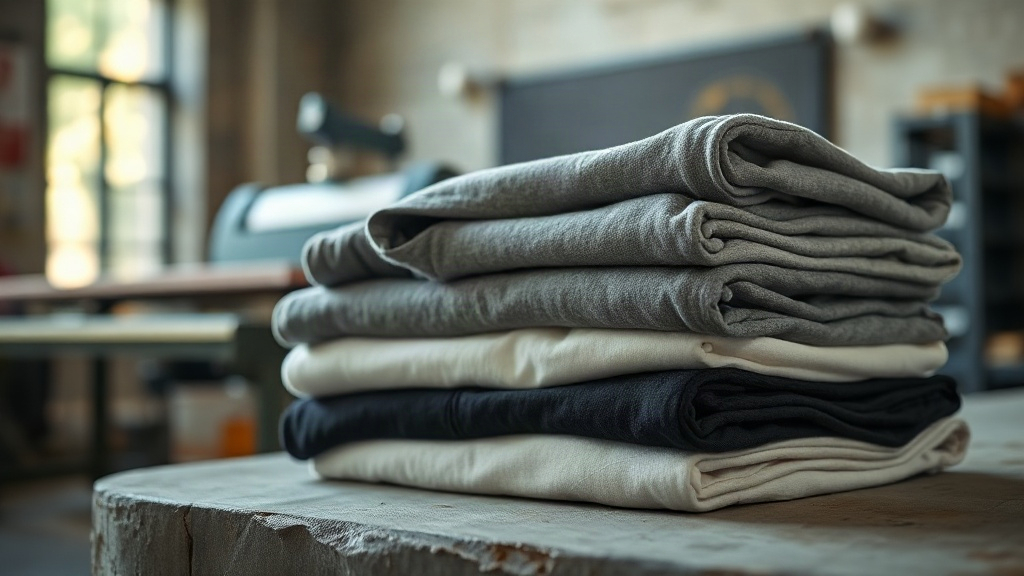
Walk into almost any custom print shop and you will eventually spot a stack of shaka wear tees sitting near the heat press. They rarely have a big logo on the chest. Instead, they get picked up because of how they feel in the hand: dense, slightly stiff at first, and noticeably heavier than the standard blank hanging two racks over. That weight is the whole point, and it is why the brand has built a quiet following among people who print for a living rather than people who chase drops.
If you are sourcing blanks for a small brand, a team order, or a personal project, understanding what shaka wear actually offers will save you from ordering the wrong weight, the wrong fit, or the wrong fabric for your design. Here is a practical breakdown based on how these shirts behave once they leave the box.
What Makes Shaka Wear Different From a Basic Blank
Most budget blanks are built around a simple goal: keep the cost per unit low. That usually means lighter fabric, a narrower cut, and cotton that thins out after a dozen washes. shaka wear takes the opposite approach. The core tees sit in the heavyweight range, often around 6 to 7 ounces per square yard depending on the style, and the body is cut wider through the chest and shoulders.
That combination changes how a shirt drapes. A lighter blank clings and shows every fold. A heavier one falls in straighter lines and keeps its silhouette even after the fabric softens. For anyone printing large graphics, that matters more than most people expect, because a stable surface keeps ink edges crisp instead of stretching with the fabric.
Fabric weight and why it is the first thing to check
Weight is measured in ounces per square yard, and it is the single number that predicts how a tee will age. A 4.5-ounce shirt feels fine in the store and feels flimsy after a summer. A 6.5-ounce shirt feels substantial from day one and often looks better a year later. If you are comparing shaka wear against another brand, put the two side by side and lift them. The difference is obvious within seconds.
Fit: boxy is not the same as oversized
A boxy fit has a wider body and a shorter length relative to the chest. Oversized means the whole garment is scaled up, including the sleeves and the hem. shaka wear leans boxy, which is why it works well for tall prints and streetwear layouts but can feel odd if you expect a slim, tailored look. Check the size chart rather than assuming your usual size will translate.
Choosing the Right Shaka Wear Style for Your Project
The lineup is broader than the basic tee most people picture. Before ordering, match the style to the job.
- Classic heavyweight tee: the safest pick for screen printing, DTF transfers, and everyday wear.
- Long sleeve versions: useful for fall drops and layered looks, with the same heavier hand feel.
- Hoodies and fleece: built for embroidery and puff print, where a thicker surface holds detail better.
- Youth and smaller cuts: worth checking if you are running a family or team order.
One detail that catches people out: not every style uses identical cotton. Some are 100 percent cotton, others blend in polyester for shrinkage control. If your client cares about shrinkage, ask for the exact spec sheet rather than assuming all shaka wear garments behave the same way.
Pre-shrinking and wash testing
Heavy cotton can shrink, especially in the length. Before a large order, buy one shirt in each color you plan to use, wash it the way your customer will, and measure it again. This takes an afternoon and prevents a very expensive mistake. Colors can also behave differently, since darker dyes sometimes affect how the fabric relaxes.
Printing on Shaka Wear: What Works and What Does Not
The heavier surface is friendly to most decoration methods, but each one has a quirk worth knowing.
DTF and heat transfer
Direct-to-film transfers need even pressure and consistent heat. On a heavier garment, the fabric absorbs some of that pressure, so you may need to adjust dwell time slightly compared to a thin tee. Press, peel, then check the edges while the transfer is still warm. If the film lifts at a corner, press again rather than pulling harder.
Screen printing
Plastisol sits nicely on a dense cotton surface because the ink does not sink through as easily. That means brighter colors with fewer passes. The tradeoff is that a heavy ink layer on heavy fabric can feel stiff, so consider a softer base or a discharge underlay for large solid areas.
Embroidery
Fleece and heavier knits handle stitch counts better than thin jersey. Use a cut-away backing on hoodies and a lighter backing on tees, and test the design on a scrap piece before running the full order.
Care Tips That Keep the Shape Longer
Heavy cotton rewards basic care. Wash inside out in cold water, avoid overloading the machine, and dry on low or hang dry. High heat is what breaks down cotton fibers and causes the collar to relax. If you tumble dry, pull the shirt out slightly damp and shape it flat.
For printed shirts, wait at least 24 hours before the first wash so the ink or transfer fully cures. After that, the print and the fabric will age together, which is usually the look people are after with shaka wear in the first place.
Frequently Asked Questions
Is Shaka Wear true to size?
It generally runs boxy rather than small. Most people can order their normal size for a relaxed fit, or size down once if they want a closer cut. Always compare the chest measurement, not just the label.
Does Shaka Wear shrink after washing?
Heavy cotton can shrink modestly, mostly in length. Cold washing and low drying reduce it significantly. If exact measurements matter, wash one test shirt before committing to a full order.
Can you print DTF transfers on Shaka Wear tees?
Yes. The dense fabric holds transfers well. Adjust your press settings slightly and always do a peel test on a spare shirt before running production.
Is Shaka Wear good for a small clothing brand?
It is a reasonable starting point because the weight and fit read as premium without a premium price. Order samples in every color you plan to sell, test your print method, and confirm the sizing before you list anything.
Where can you buy Shaka Wear blanks?
Availability varies by region. Many print suppliers and wholesale distributors carry the line, and stock rotates with demand, so check a few sources if a specific color is out.