
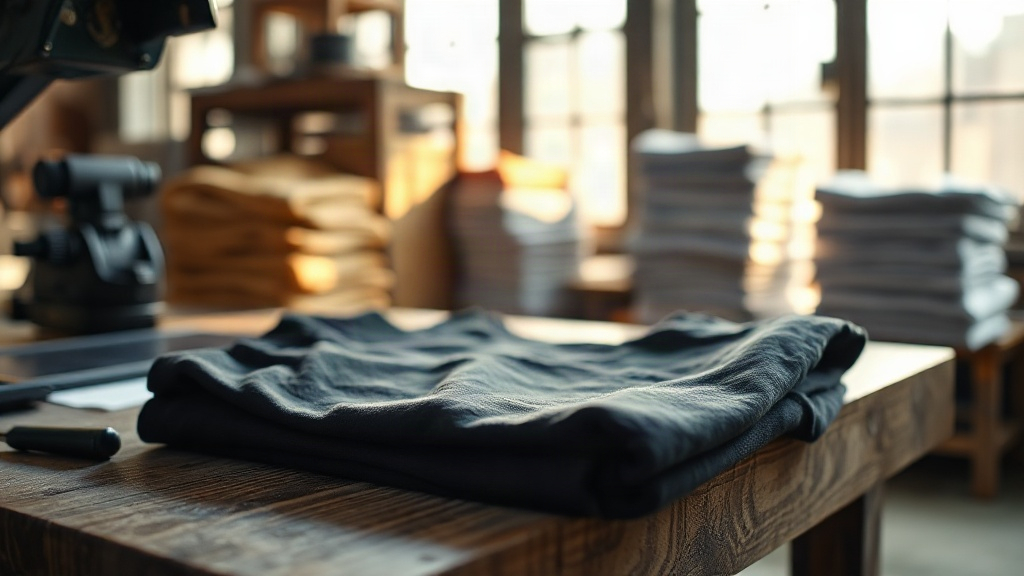
Most blank t-shirt reviews read like spec sheets copied from a wholesale catalog. This one comes from a different place: a decade of pulling squeegees, boxing orders, and listening to customers complain when a shirt shrinks two sizes after the first wash. Shaka Wear has quietly become one of the most requested blanks in streetwear and small-batch print shops, and after running thousands of them through my own press, I have opinions worth sharing.
If you are deciding between Shaka Wear and the usual suspects like Gildan, Bella+Canvas, or Alstyle, the answer depends less on brand loyalty and more on what you are printing, who is wearing it, and how much you care about hand feel versus durability. Let's break it down the way I would explain it to a customer walking into my shop.
What Shaka Wear Actually Is
Shaka Wear is a Los Angeles-based apparel brand that started in the streetwear and skate scene before expanding into wholesale blanks. That origin matters. The brand built its reputation on heavyweight cotton tees with a boxy, relaxed fit that looks good on a hanger and even better after a few washes. Unlike blanks designed purely for cost efficiency, Shaka Wear blanks carry a bit of that West Coast streetwear DNA.
The most popular cut for printing is the SHASS short sleeve crew neck, typically a 6.0 to 6.5 oz heavyweight cotton tee. There are lighter options in the lineup, but the heavyweight version is what most customers ask for by name. If you have ever held one, you know the difference immediately: the fabric has body, the collar holds its shape, and the shirt does not feel like tissue paper against your skin.
Fabric Weight and Hand Feel
Here is where Shaka Wear separates itself from budget blanks. A 6.0 oz cotton tee is noticeably denser than the 4.2 oz shirts you find at big-box retailers. That weight translates to three practical benefits for printers and wearers alike:
- Better drape and structure, which means the shirt does not cling or bunch awkwardly
- Reduced show-through, especially important for white and light heather colorways
- Longer lifespan before the fabric thins out or develops holes
The trade-off is breathability. In peak summer heat, a heavyweight tee will feel warmer than a lightweight tri-blend. For streetwear drops, band merch, and fall or winter collections, that trade-off is usually worth it. For a 5K fun run in July, you might want something lighter.
How the Cotton Feels After Printing
One thing I have noticed across hundreds of orders: Shaka Wear tees soften considerably after the first wash. The initial hand feel is slightly stiff, almost like a raw denim equivalent for t-shirts. After two or three wash cycles, the fabric relaxes into something closer to a vintage tee. If a customer complains that the shirt feels stiff out of the bag, tell them to wear it once and wash it once. Most come back saying it is their new favorite.
Shrinkage: What to Expect
Cotton shrinks. Anyone who tells you otherwise is selling something. In my experience, Shaka Wear heavyweight tees shrink roughly 3 to 5 percent in length and about 2 to 3 percent in width after a hot wash and tumble dry. That is consistent with most 100 percent cotton blanks, but it is worth planning for.
Two practical rules I follow:
- Order one size up for customers who plan to machine dry on high heat
- Pre-shrink sample shirts before approving a fit for a bulk order
If you are printing for a client who wants a specific fit, print one sample, wash it the way they will, and show them the result. This single step prevents more returns than any sizing chart ever will.
Printing on Shaka Wear Blanks
This is the part most reviews skip, and it is the part that matters if you are running a shop. Shaka Wear tees take plastisol, water-based, and discharge inks well, but each behaves a little differently on this fabric.
Plastisol
Plastisol sits on top of the fabric, and on a heavyweight cotton like this, the opacity is excellent. You can get a clean white underbase with a single pass on most colors. The tight weave means less ink bleed, which is great for fine detail work like halftones and small text.
Water-Based and Discharge
Water-based inks soak into the cotton and give that soft, worn-in look. On Shaka Wear blanks, discharge printing works particularly well because the fabric is 100 percent cotton with minimal dye interference. The colors come out vibrant and the print feels like it is part of the shirt rather than sitting on top of it. If you are doing a vintage-style drop, this is the combination to use.
DTF and DTG
Direct-to-film transfers adhere cleanly to the flat surface of these tees, which is one reason they have become popular with small shops running DTF setups. The heavyweight cotton provides a stable base, so you get less puckering and fewer transfer failures compared to thinner, stretchier fabrics.
Fit, Sizing, and Colorways
The fit on most Shaka Wear tees runs true to size with a relaxed, slightly boxy silhouette. If you are used to Bella+Canvas 3001, expect a roomier cut through the chest and shoulders. That boxy shape is a feature, not a bug, for streetwear and skate aesthetics, but it can feel loose on customers who prefer a slimmer fit.
Color selection is solid but not endless. Core colors like black, white, navy, and heather grey are always available. Seasonal and fashion colors come and go, so if you are planning a large run, lock in your colorways early and confirm stock with your distributor before promising anything to a client.
Pricing and Value
Shaka Wear sits in the middle of the blank market. It costs more than entry-level Gildan but less than premium blanks like Comfort Colors or American Apparel successors. For the fabric weight and construction you get, the value is strong, especially if you are selling finished shirts at a streetwear price point.
The math is simple: a heavier shirt justifies a higher retail price, and customers who feel the difference are usually willing to pay it. If you are printing budget promo tees for a corporate giveaway, these blanks are overkill. If you are building a brand, they are a smart foundation.
Common Questions About Shaka Wear
Are Shaka Wear shirts true to size?
Yes, they generally run true to size with a relaxed, boxy fit. If your customer prefers a fitted look, consider sizing down or choosing a different cut from the lineup.
Do Shaka Wear tees shrink a lot?
Expect around 3 to 5 percent shrinkage in length after a hot wash and dry. Washing cold and hanging to dry minimizes this, and pre-shrinking samples before a bulk order is always a good practice.
Can you print DTF transfers on Shaka Wear blanks?
Absolutely. The heavyweight cotton provides a smooth, stable surface that DTF transfers adhere to well, with less puckering than you would get on thinner fabrics.
Is Shaka Wear good for screen printing?
Yes, especially for plastisol and discharge printing. The tight weave holds fine detail, and the 100 percent cotton construction takes discharge ink beautifully for that soft, vintage finish.
Where are Shaka Wear shirts made?
The brand is based in Los Angeles and sources its blanks with a focus on the streetwear and skate market. Check with your distributor for current manufacturing details on specific styles.
Final Thoughts From the Press
After years of printing on everything from dollar-store blanks to premium cut-and-sew, Shaka Wear has earned a permanent spot in my rotation. The heavyweight fabric, reliable print behavior, and streetwear-ready fit make them a strong choice for anyone building a brand or running a serious print shop. They are not the cheapest option and they are not the right fit for every project, but when a customer wants a shirt that feels substantial and looks good after fifty washes, this is the blank I reach for.