
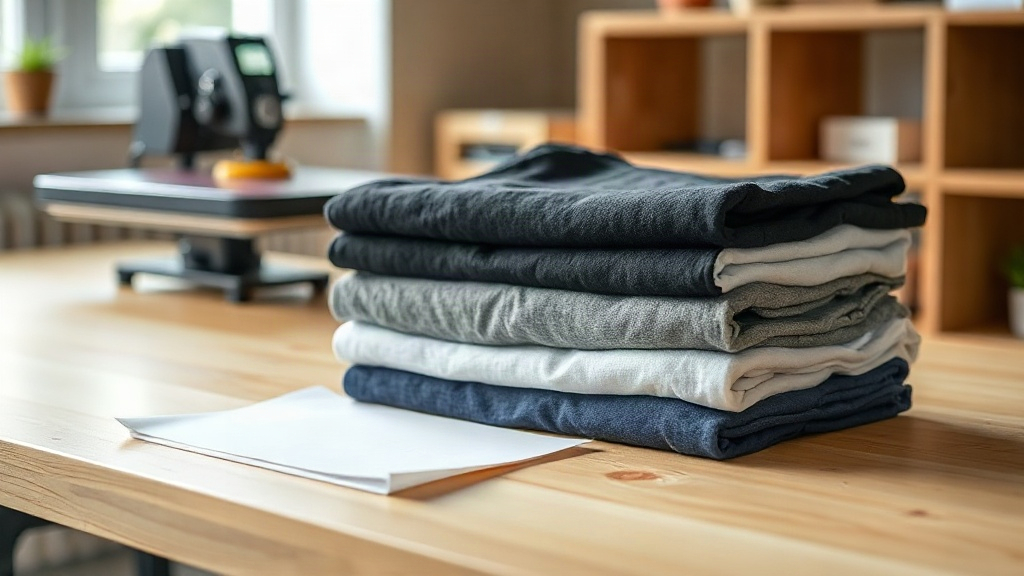
If you've ever peeled a DTF transfers film only to watch the design crack, fade, or wash away after a few cycles, the problem likely wasn't your press settings. It was the blank. The garment you choose is the foundation of every great print, and not all tees are created equal. That's where smart blanks come in. These are specially engineered fabrics that bond with transfer films at a molecular level, giving you prints that stay vibrant and intact for the life of the shirt. In this guide, we'll break down what makes a blank smart, why Shaka Wear has become a go-to for professionals, and how to match your DTF transfers with the right garment every single time.
What Are Smart Blanks and Why Do They Matter?
A smart blank is more than just a soft t-shirt. It's a garment designed with decoration in mind. The fabric blend, weave, and finish are optimized to accept heat-applied transfers without the common pitfalls of generic blanks. Think of it as the difference between painting on a prepared canvas versus painting on a waxy surface. Smart blanks have a tight, smooth knit that allows the adhesive in DTF transfers to grip evenly. They also resist the scorching and discoloration that can happen under a heat press, especially when you're working with synthetic blends.
For years, screen printers and embroiderers have known that certain fabrics just behave better. But with the rise of direct-to-film, the demand for blanks that are truly DTF-friendly has skyrocketed. Smart blanks are the answer. They typically feature a higher cotton content or a specialized polyester blend that melts just enough to fuse with the transfer's adhesive layer, creating a mechanical bond that survives dozens of wash cycles. Without that bond, even the best DTF transfers will fail.
Why Shaka Wear Stands Out in the Smart Blanks Category
When you talk about smart blanks, Shaka Wear is a name that comes up again and again. Based in Los Angeles, Shaka Wear has built a reputation for heavyweight, durable garments that hold up to demanding decoration processes. Their tees are a staple in streetwear and custom apparel because they combine a premium feel with a price point that works for both small shops and large-scale production.
Fabric Quality That Supports DTF Transfers
Shaka Wear's classic tees are made from 100% cotton, often in the 6.0 to 6.5 oz range. That heft matters. A heavier cotton provides a stable surface that doesn't shift or wrinkle as easily during pressing. The tight weave also means less adhesive wicking, so your DTF transfers sit right on top of the fabric instead of sinking in. The result is a crisp, opaque print with excellent detail retention. If you've ever tried pressing a transfer onto a thin, flimsy blank, you know the frustration of a blurry or patchy image. Shaka Wear eliminates that variable.
Consistency and Color Range
Another reason Shaka Wear is a favorite among DTF printers is consistency. Their dye lots are reliable, so the black tee you order this month matches the one you ordered last year. That's crucial for brands that need to reorder and maintain a uniform look. Plus, their color range includes the deep blacks and vibrant hues that make DTF transfers pop. Whether you're printing a detailed photo or a bold graphic, the blank's color won't fight your design.
How to Choose the Right Smart Blank for Your DTF Project
Not every smart blank is the same, and your choice depends on the look and feel you want. Here are the key factors to consider:
- Fabric content: 100% cotton is the most forgiving for DTF transfers. It handles high heat well and produces a soft hand. Cotton-poly blends can work too, but you may need to adjust temperature and pressure.
- Weight: Heavier fabrics (5.5 oz and up) provide a better canvas for transfers. They resist puckering and give the print a solid backing.
- Weave: A tight, smooth weave is ideal. Open weaves like some tri-blends can cause the transfer to look textured or uneven.
- Color: For light-colored transfers, you need a light blank. For dark transfers, a dark blank works, but remember that DTF transfers with white underbase can go on any color.
- Shrinkage: Pre-shrunk blanks like Shaka Wear reduce the risk of the print distorting after the first wash.
If you're new to DTF, start with a mid-weight 100% cotton tee from a trusted brand. Shaka Wear offers several options that fit the bill, and they're widely available through distributors, so you can test before committing to a large order.
Step-by-Step: Applying DTF Transfers to Smart Blanks
Even with a great blank, technique matters. Here's a quick rundown of the process to get flawless results with your DTF transfers on smart blanks.
- Pre-press the garment: This removes moisture and wrinkles. Set your press to 320°F (160°C) and press for 5-10 seconds. Let it cool slightly before applying the transfer.
- Position the transfer: Place the film with the design facing up. Use heat tape if needed to keep it from shifting.
- Press: Apply medium to heavy pressure for 15-20 seconds at 320°F. The exact time can vary by film brand, so always check the manufacturer's recommendations.
- Peel: Wait for the transfer to cool completely (cold peel) or peel while warm (hot peel) depending on your film type. Most DTF transfers are cold peel, which gives a matte finish.
- Post-press: For extra durability, cover the design with parchment paper and press again for 5-10 seconds. This smooths the print and improves wash fastness.
When you use Shaka Wear tees, you'll notice the press time and temperature are more forgiving. The fabric doesn't scorch easily, and the adhesive bonds quickly, so you can move through orders faster without sacrificing quality.
Common Mistakes to Avoid with Smart Blanks and DTF Transfers
Even experienced printers run into issues. Here are the most common pitfalls and how to steer clear of them.
Using Fabric Softener or Dryer Sheets
Residue from softeners and dryer sheets can prevent the transfer adhesive from bonding. Always wash new blanks without softener before decorating, and advise your customers to skip softener on decorated garments.
Over-Pressing
Too much heat or pressure can cause the transfer to gel or the fabric to scorch. If you see a shiny, stiff area, you've over-pressed. Lower the temperature or reduce dwell time. Smart blanks are more resistant, but they're not indestructible.
Ignoring Fabric Blend
Polyester-heavy blends require lower temperatures because polyester can melt or dye-migrate. If you're using a 50/50 blend, test a scrap piece first. Shaka Wear offers mostly cotton styles, which are more forgiving, but always check the label.
Why Smart Blanks Are a Smart Business Decision
Investing in quality blanks like Shaka Wear isn't just about better prints. It's about reducing waste, returns, and customer complaints. A print that lasts builds trust and repeat business. When you use smart blanks designed for DTF transfers, you spend less time redoing orders and more time growing your brand. Plus, the premium feel of a heavyweight tee elevates your product, allowing you to charge more and stand out in a crowded market.
At dtfcore.com, we've tested countless combinations of films and blanks. The data is clear: pairing high-quality DTF transfers with smart blanks from trusted brands like Shaka Wear consistently delivers the best results. Whether you're printing one-off custom pieces or running a full production line, the blank is the variable you can control. Make it count.
Frequently Asked Questions
Can I use DTF transfers on 100% polyester Shaka Wear shirts?
Yes, but you'll need to adjust your press settings. Polyester requires lower temperatures (around 280-300°F) and shorter dwell times to avoid melting or dye migration. Always test a small area first. Shaka Wear's polyester options are typically performance styles, so check the label for exact fiber content.
How many washes will a DTF transfer last on a smart blank?
With proper application and care, a DTF transfer on a smart blank like Shaka Wear can last 50+ washes without significant fading or cracking. Wash inside out in cold water and tumble dry low. Avoid bleach and fabric softener.
Do I need a special heat press for DTF transfers?
Any heat press that reaches 320°F and provides even pressure will work. A clamshell or swing-away press is fine. You don't need a special DTF press, but consistent temperature and pressure are key. For best results, use a press with a digital controller.
What makes Shaka Wear a smart blank compared to other brands?
Shaka Wear tees are known for their heavyweight cotton, tight weave, and consistent dye lots. These qualities make them ideal for DTF transfers because the fabric provides a stable, smooth surface that bonds well with the adhesive. They also resist scorching and shrinkage, which extends the life of your print.
Can I stretch a DTF transfer on a smart blank?
DTF transfers have some elasticity, but they're not as stretchy as the fabric itself. On a smart blank with minimal stretch, the print will hold up well. On highly elastic fabrics like spandex blends, the print may crack over time. For best results, stick to cotton or cotton-poly blends with low stretch.