
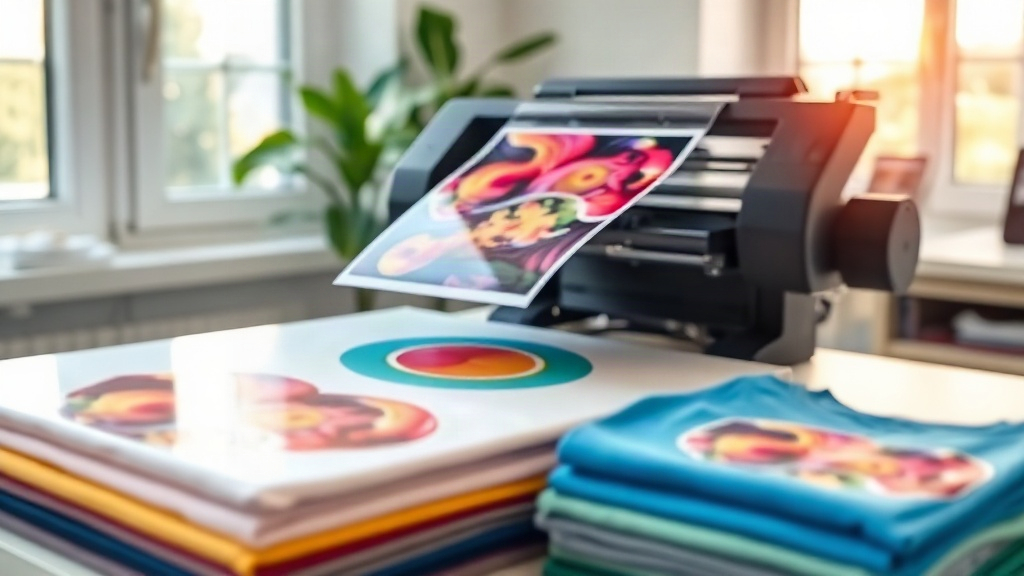
When I first heard about DTF printing, I was skeptical. As someone who has spent years working with heat transfer vinyl and screen printing, I wondered if this new method could really deliver on its promises of vibrant colors, fine details, and durability on tough fabrics like cotton and polyester blends. After testing it extensively in my own shop, I can confidently say that DTF (Direct to Film) printing has earned a permanent spot in my production lineup. In this guide, I'll walk you through everything you need to know to get started with DTF printing, from choosing the right equipment to troubleshooting common issues. Whether you're a hobbyist or a small business owner, this article will help you achieve professional results.
What Is DTF Printing and How Does It Work?
DTF printing is a digital printing method where your design is printed onto a special film, coated with a powder adhesive, and then heat-pressed onto fabric. Unlike DTG (Direct to Garment) printing, which requires pretreatment and works best on 100% cotton, DTF transfers can be applied to almost any fabric, including polyester, blends, and even leather. The process involves several steps: designing your artwork, printing it with a DTF printer using specialized inks, applying hot melt powder to the wet ink, curing the powder, and finally transferring the film to your garment with a heat press. The result is a soft, stretchable, and durable print that can withstand repeated washing.
The Role of Inks and Films
Not all DTF supplies are created equal. The inks used in DTF printing are typically pigment-based and must be compatible with your printer's printhead. I've found that using high-quality inks specifically formulated for DTF ensures vivid colors and prevents clogging. The film, usually PET, comes in different thicknesses and finishes. A good DTF film should release the print cleanly and withstand the heat of curing without warping. I recommend testing a few brands to see which works best with your printer and climate.
Step-by-Step DTF Printing Process
- Design Preparation: Create your artwork in a graphics program, ensuring it's mirrored (unless your printer software handles it). Use CMYK color mode for accurate color reproduction.
- Printing: Load the DTF film into your printer and print the design. Make sure to use the correct settings for DTF film, which usually involve higher ink output.
- Powder Application: While the ink is still wet, sprinkle hot melt powder evenly over the print. Shake off excess powder.
- Curing: Place the film in a curing oven or under a heat source to melt the powder. This step is crucial for adhesion.
- Transfer: Set your heat press to the recommended temperature (usually 160°C/320°F) and press the film onto the fabric for 15-20 seconds.
- Peel: Wait for the film to cool slightly, then peel it off. The print should remain on the fabric.
Why Choose DTF Over Other Printing Methods?
There are several reasons why DTF printing has become so popular. First, it offers unmatched versatility. You can print on dark and light fabrics without needing multiple screens or pretreatments. Second, the prints are incredibly durable. I've washed DTF-printed shirts dozens of times, and they still look great. Third, DTF allows for fine details and gradients that are hard to achieve with vinyl. Finally, it's cost-effective for small to medium runs, as there's no setup cost like with screen printing.
DTF vs. DTG vs. Screen Printing
To help you decide, here's a quick comparison:
- DTF: Works on almost any fabric, no pretreatment, durable, good for small batches.
- DTG: Best on 100% cotton, requires pretreatment, softer feel but less durable on blends.
- Screen Printing: Cost-effective for large runs, vibrant colors, but limited to simpler designs and requires cleanup.
Essential Equipment for DTF Printing
To get started with DTF printing, you'll need a few key pieces of equipment. A dedicated DTF printer is ideal, but some modified inkjet printers can work. You'll also need a heat press, a curing oven (or a heat gun), DTF film, hot melt powder, and DTF inks. I started with a basic setup and upgraded as I went. Don't skimp on the heat press; a good one ensures even pressure and temperature.
Choosing a DTF Printer
When shopping for a DTF printer, consider your volume and budget. Entry-level printers like the Epson F2100 (modified) are great for beginners, while industrial models from Mutoh or Roland handle high production. Look for a printer with a reliable printhead and good support for DTF inks. Also, check the maximum film width; wider printers allow larger designs.
Heat Press Selection
A heat press is essential for DTF transfers. You can use a clamshell or swing-away press. I prefer swing-away for even pressure. Make sure it can reach at least 160°C (320°F) and has a digital timer. For curing powder, a dedicated curing oven is best, but a heat gun can work for small batches if you're careful.
Common DTF Printing Problems and How to Fix Them
Even with the best equipment, issues can arise. Here are some common problems and solutions:
- Faded or dull colors: Increase ink saturation or check if your inks are expired.
- Poor adhesion: Ensure the powder is fully cured and the heat press temperature is correct.
- Film jams: Adjust the film feed settings and use high-quality film.
- Cracking after washing: Reduce the amount of powder or adjust curing time.
I've learned that keeping a log of settings for each fabric type helps immensely. Also, don't rush the cooling step before peeling; peeling too early can distort the print.
Tips for Vibrant and Durable DTF Transfers
To get the most out of your DTF printing, follow these tips:
- Use the right fabric: While DTF works on many materials, some fabrics like nylon require lower temperatures.
- Store film and powder in a cool, dry place to prevent moisture absorption.
- Always do a test print on scrap fabric before a big order.
- Clean your printer regularly to avoid clogs.
- Experiment with different powder amounts to find the sweet spot for your designs.
Frequently Asked Questions About DTF Printing
How long do DTF prints last?
With proper application and care, DTF prints can last as long as the garment itself. I've seen prints survive over 50 washes without significant fading or cracking.
Can I use DTF on 100% polyester?
Yes, DTF works great on polyester. Just lower the heat press temperature to around 140°C (285°F) to prevent scorching.
Do I need a special printer for DTF?
While dedicated DTF printers are best, you can convert some inkjet printers. However, ensure they are compatible with DTF inks and have a straight paper path.
What is the difference between DTF and DTG?
DTF uses a film transfer and works on various fabrics, while DTG prints directly onto cotton and requires pretreatment. DTF is generally more durable on blends.
How do I cure DTF powder?
You can use a curing oven at 160°C (320°F) for 2-3 minutes, or a heat gun until the powder melts and becomes glossy. Avoid overheating, which can cause the film to warp.
Getting started with DTF printing might seem daunting, but with practice, it becomes second nature. The key is to invest in quality supplies, follow the steps carefully, and learn from any mistakes. I hope this guide helps you on your DTF journey. If you have questions, feel free to reach out. Happy printing!