
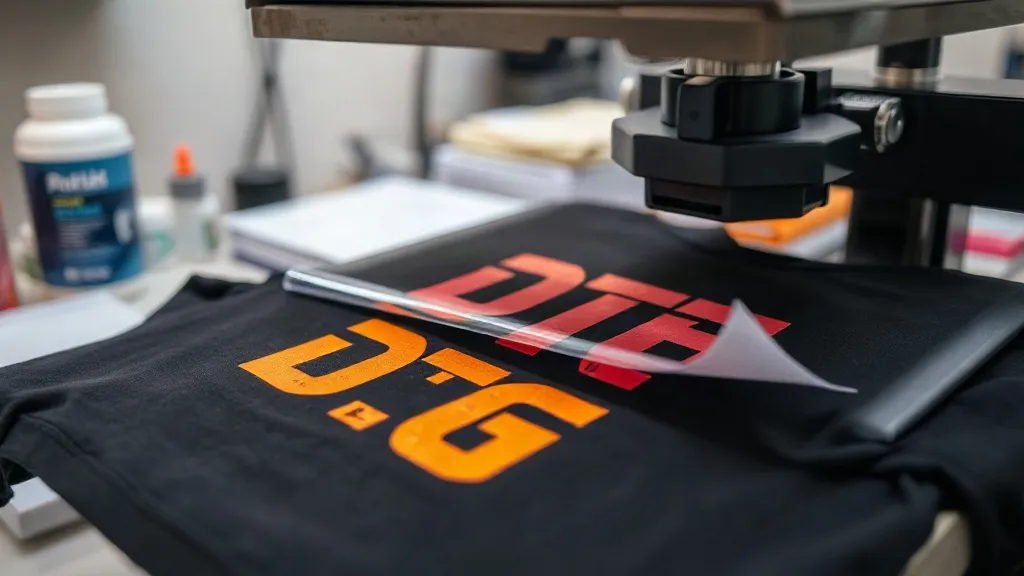
When you first hear about dtf transfers, it might sound like just another printing trend. But spend a little time in a print shop or with a home-based apparel business, and you'll quickly see why DTF has become a go-to method for adding vibrant, durable designs to fabric. Unlike methods that require special pretreated shirts or expensive equipment, DTF (Direct to Film) offers a versatile, cost-effective way to transfer detailed artwork onto almost any material. Whether you're a hobbyist looking to personalize gifts or a small business owner scaling up production, understanding the ins and outs of DTF can save you time, money, and frustration.
What Are DTF Transfers and How Do They Work?
At its core, dtf printing involves printing your design onto a special film, applying a powder adhesive, and then heat-pressing the film onto your fabric. The process starts with a digital printer that lays down pigment ink onto a PET film. While the ink is still wet, a thermoplastic polyurethane (TPU) powder is sprinkled over the design. After shaking off the excess, the film is heated to melt the powder, creating a transferable layer. Once cooled, the film can be stored or immediately pressed onto a garment. The heat press activates the adhesive, bonding the ink to the fabric. When you peel away the film, the design remains, with a soft, stretchable finish.
What sets DTF apart is its ability to adhere to a wide range of fabrics, including cotton, polyester, blends, and even some nylons, without the need for pre-treatment. This flexibility makes it a favorite for those who work with diverse materials. Plus, the prints are remarkably durable, resisting cracking and fading even after repeated washes.
Why Choose DTF Transfers Over Other Printing Methods?
If you've explored screen printing, vinyl cutting, or dye sublimation, you know each has its niche. Screen printing is cost-effective for large orders but requires setup and is impractical for small batches. Vinyl cutting is great for simple designs but struggles with complex, multi-color graphics. Dye sublimation works beautifully on polyester but won't adhere to cotton. DTF bridges these gaps. It handles intricate, full-color designs with ease, works on both natural and synthetic fabrics, and requires no minimum order quantity. For a small business testing new designs or a crafter making one-off items, that's a game-changer.
Another advantage is the ability to produce transfers in advance. You can print and powder a batch of films, store them, and press them as needed. This on-demand production reduces waste and lets you offer quick turnaround times to customers. And because the prints are so durable, you can confidently sell garments that will withstand everyday wear.
Choosing the Right DTF Supplies
The quality of your DTF transfers depends heavily on the supplies you use. Not all films, powders, and inks are created equal. Here's what to look for:
- Film: Opt for a high-quality PET film designed specifically for DTF. It should have a consistent coating that releases the ink cleanly. Thinner films can cause curling during printing, while thicker ones may not conform to textured fabrics.
- Powder: The TPU powder should be fine and uniform. Coarse powder can create a gritty texture, while inconsistent particle size leads to uneven melting. Store powder in a dry environment to prevent clumping.
- Inks: Use pigment inks formulated for DTF. They need to be vibrant and opaque enough to show up on dark fabrics. Some printers allow you to use CMYK plus white, which is essential for bright colors on dark backgrounds.
- Printer: While you can convert some inkjet printers to DTF, dedicated DTF printers offer better reliability and consistency. If you're just starting, consider outsourcing your transfers to a reputable supplier until you're ready to invest.
When sourcing supplies, don't skimp on quality. Cheap film or powder can lead to failed transfers, wasted time, and frustrated customers. Establish a relationship with a trusted supplier who can provide consistent products and technical support.
Step-by-Step Guide to Pressing DTF Transfers
Getting a perfect DTF transfer requires attention to detail. Follow these steps for best results:
- Preheat the fabric: Set your heat press to the recommended temperature (usually around 300-325°F or 150-160°C). Pre-press the garment for 5-10 seconds to remove moisture and wrinkles. This step is crucial for adhesion.
- Position the transfer: Place the DTF film on the fabric with the printed side down. Ensure it's exactly where you want it; once pressed, repositioning is difficult.
- Press: Apply medium to firm pressure for 10-15 seconds. The exact time depends on your press and film, so test with a scrap piece first. Too little time results in poor adhesion; too much can cause the film to curl or the design to spread.
- Peel: Wait a few seconds for the transfer to cool slightly, then peel the film away in a smooth, steady motion. If the design starts to lift, press again for a few more seconds.
- Post-press (optional): For extra durability, cover the design with a Teflon sheet or parchment paper and press for another 5 seconds. This ensures the adhesive fully penetrates the fabric.
Practice on scrap fabric to dial in your press settings. Different fabrics may require slight adjustments in temperature, pressure, or time.
Common Mistakes to Avoid with DTF Transfers
Even experienced printers run into issues. Here are some pitfalls and how to steer clear:
- Insufficient pressure: If the transfer peels off after washing, your press pressure might be too low. Ensure your press is calibrated and apply firm pressure.
- Wrong temperature: Too hot and the film may melt or the design may scorch; too cold and the adhesive won't activate. Always check the film manufacturer's recommendations.
- Moisture in the fabric: Pre-pressing is not just for wrinkles; it removes moisture that can turn to steam and interfere with adhesion. Always pre-press.
- Poor storage: DTF films should be stored flat in a cool, dry place. Humidity can cause the powder to clump or the film to warp.
- Using outdated supplies: Powder and film have a shelf life. Old powder may not melt properly, leading to weak bonds.
By avoiding these mistakes, you'll achieve consistent, professional results.
Finding DTF Transfers Near You
If you're not ready to invest in a DTF printer, or if you need a large order quickly, searching for dtf transfers near me can connect you with local suppliers who can print and ship transfers directly to your door. Many online services offer fast turnaround and competitive pricing, making it easy to test designs before committing to your own equipment. When choosing a supplier, look for clear specifications, good reviews, and responsive customer service. A reliable partner can be a valuable asset as you grow your business.
Applications and Creative Uses for DTF Transfers
DTF isn't just for t-shirts. Its versatility opens up a world of possibilities:
- Custom apparel: Create personalized hoodies, leggings, and jackets with full-color designs.
- Accessories: Add logos to tote bags, backpacks, and hats.
- Home decor: Personalize pillows, curtains, and even canvas shoes.
- Promotional items: Produce branded merchandise for events or giveaways.
- Sports uniforms: Print team numbers and names on jerseys that stretch and move.
Because DTF works on so many materials, you can experiment with denim, canvas, and even some leathers. Just be sure to test on a small area first.
Frequently Asked Questions About DTF Transfers
How long do DTF transfers last?
With proper application and care, DTF transfers can last as long as the garment itself. They resist cracking, fading, and peeling even after 50+ washes. To maximize longevity, wash inside out in cold water and avoid ironing directly on the design.
Can I use DTF transfers on dark colors?
Absolutely. DTF printing uses a white ink layer that acts as a base, allowing vibrant colors to show up on dark fabrics. This is one of its biggest advantages over other methods.
Do I need a special printer for DTF?
You can convert some inkjet printers to DTF by using DTF ink and film, but dedicated DTF printers are more reliable. If you're just starting, consider outsourcing your transfers to a professional service.
What fabrics work best with DTF?
DTF adheres well to cotton, polyester, blends, and many synthetics. It's not recommended for fabrics with a heavy water-repellent coating or for materials that can't withstand heat (like some nylons or delicate fabrics). Always test first.
How do I store unused DTF transfers?
Keep them flat in a cool, dry place away from direct sunlight. Avoid folding or creasing the film, as this can damage the adhesive layer. Properly stored transfers can last for several months.