
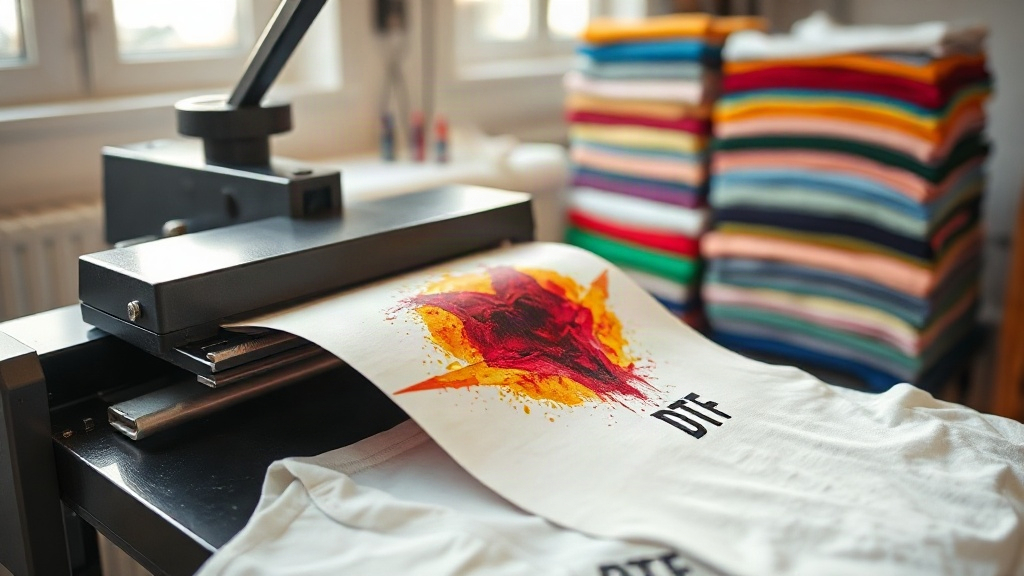
If you've been exploring custom apparel printing, you've likely come across DTF transfers. This technology is changing the game for small business owners, hobbyists, and anyone who wants to create vibrant, durable designs on fabric. Unlike traditional methods, DTF transfers offer a unique blend of flexibility, color richness, and ease of use that makes them accessible even for beginners. In this guide, we'll dive deep into what DTF transfers are, how they work, and how you can use them to bring your creative ideas to life.
What Are DTF Transfers?
DTF stands for Direct to Film. It's a printing method where your design is printed onto a special film, coated with a powder adhesive, and then heat-pressed onto fabric. The result is a soft, stretchable print that bonds strongly with the material. Unlike DTG (Direct to Garment) or screen printing, DTF transfers don't require pre-treatment of the fabric, and they work on a wide range of materials, including cotton, polyester, blends, and even some synthetics.
The DTF Printing Process
The process begins with a digital printer that uses special DTF inks (usually pigment-based) to print your design onto a PET film. The printer lays down a white ink layer first, which acts as a base, followed by the colored inks. After printing, a fine powder adhesive is applied to the wet ink. The film is then heated to melt the powder, creating a dry, tacky surface. This film can be stored for later use or immediately applied to fabric with a heat press.
Why Choose DTF Transfers?
There are several reasons why DTF transfers have become a popular choice among custom apparel creators:
- Versatility: DTF transfers adhere to a wide range of fabrics, including cotton, polyester, nylon, and blends. They even work on tough materials like canvas and denim.
- No pre-treatment: Unlike DTG printing, DTF doesn't require you to pre-treat the garment, saving time and effort.
- Vibrant colors: The white ink base allows for bright, opaque colors on both light and dark fabrics.
- Durability: When applied correctly, DTF prints withstand repeated washing without fading or cracking.
- Cost-effective for small batches: DTF transfers are ideal for small runs or one-off designs, as there's no need for screens or setup fees.
How to Apply DTF Transfers
Applying DTF transfers is straightforward, but following the right steps ensures a professional, long-lasting result. Here's a step-by-step guide:
- Prepare your workspace: Set up your heat press on a stable surface. Preheat it to the recommended temperature, typically around 300-325°F (150-160°C).
- Pre-press the garment: Place your garment on the press and press for a few seconds to remove moisture and wrinkles. This helps the transfer adhere evenly.
- Position the transfer: Place the DTF transfer film onto the garment with the printed side facing up. If your design has a white layer, ensure it's oriented correctly (usually the white side is the adhesive side that goes against the fabric).
- Press: Cover the transfer with a Teflon sheet or parchment paper. Press with medium to firm pressure for 10-15 seconds.
- Peel: DTF transfers can be peeled either hot or cold, but cold peel is often recommended for best results. Wait a few seconds, then peel the film off in a smooth, consistent motion.
- Post-press (optional): For extra durability, you can press the garment again for a few seconds with a Teflon sheet on top.
Common Challenges and How to Overcome Them
Even though DTF transfers are user-friendly, you might encounter some issues. Here are a few common problems and their solutions:
1. The transfer doesn't stick properly
This usually happens due to insufficient pressure, incorrect temperature, or not pre-pressing the garment. Make sure your heat press is calibrated and apply firm pressure. Also, pre-pressing the garment removes moisture that can interfere with adhesion.
2. The design cracks after washing
Cracking can occur if the transfer was under-pressed or if the garment was washed in hot water. Always follow the recommended temperature and pressure settings, and wash the garment inside out in cold water. Avoid using fabric softener, as it can degrade the adhesive.
3. Colors look dull
Dull colors often result from insufficient white ink coverage or pressing at too low a temperature. Ensure your printer is producing a thick white layer, and press at the correct temperature. If you're using a home iron, consider upgrading to a heat press for consistent results.
DTF Transfers vs. Other Printing Methods
How do DTF transfers stack up against other popular printing techniques? Let's compare:
- DTF vs. DTG: DTG requires pre-treatment and works best on 100% cotton. DTF works on more fabrics and doesn't need pre-treatment, but DTG can produce a softer feel on cotton.
- DTF vs. Screen Printing: Screen printing is cost-effective for large batches but requires setup and is limited in color complexity. DTF is better for small batches and full-color designs.
- DTF vs. Vinyl: Vinyl is great for simple, single-color designs but can't handle intricate details or gradients. DTF excels at complex, multi-color artwork.
- DTF vs. Sublimation: Sublimation only works on polyester and requires white fabric. DTF works on any color and more materials.
Tips for Best Results with DTF Transfers
To get the most out of your DTF transfers, keep these tips in mind:
- Store unused transfers in a cool, dry place away from direct sunlight.
- Use a heat press rather than an iron for consistent temperature and pressure.
- Test on a scrap piece of fabric before pressing your final garment.
- Follow the ink and film manufacturer's recommendations for temperature and time.
- Wash garments inside out and hang dry to prolong the life of the print.
Frequently Asked Questions
Can I use DTF transfers on any fabric?
DTF transfers work on a wide range of fabrics, including cotton, polyester, blends, nylon, and even leather. However, fabrics with a very rough texture or heavy coating may not yield the best results. Always test on a small area first.
How long do DTF transfers last?
With proper application and care, DTF transfers can last as long as the garment itself. They are durable and resistant to cracking, peeling, and fading when washed correctly.
Do I need a special printer for DTF transfers?
Yes, DTF printing requires a dedicated DTF printer that uses DTF inks and a film. However, you can also purchase pre-printed DTF transfers from suppliers if you don't want to invest in a printer.
Can I layer DTF transfers?
Yes, you can layer DTF transfers to create multi-color or multi-layer designs. Just press each layer separately, following the same application steps.
What is the best temperature for pressing DTF transfers?
The ideal temperature range is typically 300-325°F (150-160°C), but always check the instructions provided with your specific transfer film and ink. Pressure should be medium to firm.
Final Thoughts
DTF transfers are a versatile and accessible way to create custom apparel that stands out. Whether you're a small business owner looking to offer unique products or a hobbyist wanting to personalize your wardrobe, DTF transfers provide a reliable solution. With the right techniques and a bit of practice, you'll be producing professional-quality prints in no time. So why not give it a try? Your next custom creation is just a press away.