
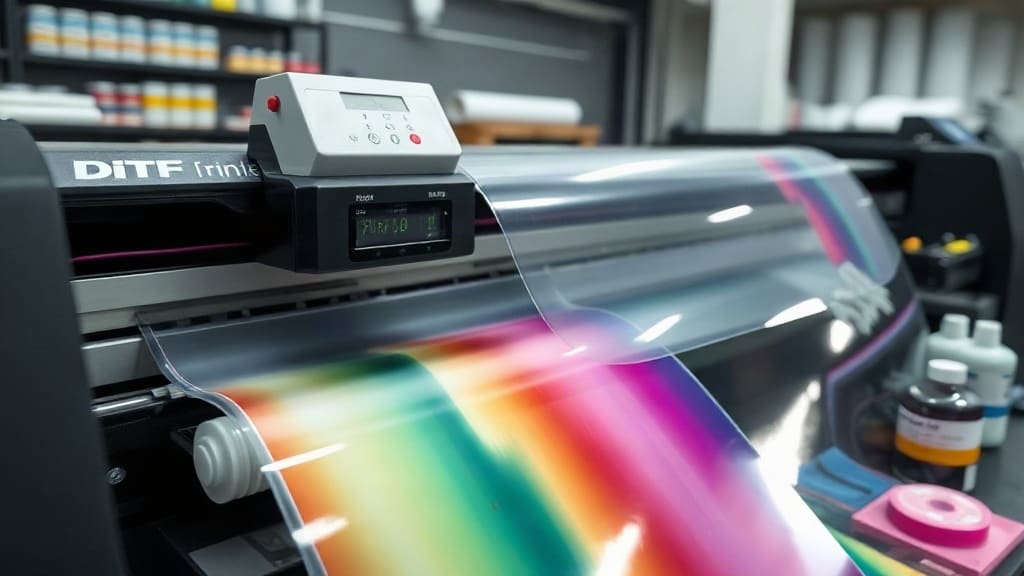
Direct to film printing, commonly known as DTF, has revolutionized the custom apparel industry. Unlike traditional methods that require screens or expensive equipment, DTF offers a flexible and cost-effective way to produce vibrant designs on various fabrics. In this comprehensive guide, I'll walk you through everything you need to know about DTF printing, from the basic principles to advanced techniques, based on my own experience in the field.
What Is DTF Printing?
Direct to film is a printing method where a design is printed onto a special PET film using a DTF printer and then transferred to fabric using a heat press. The process involves printing with CMYK colors plus white ink (to create a base for colors to pop on dark garments), applying adhesive powder to the wet ink, curing the powder, and then pressing the film onto the substrate.
What sets DTF apart is its versatility. You can print on cotton, polyester, blends, denim, nylon, and even leather. The prints are stretchable, durable, and have a soft hand feel, making them ideal for sportswear, fashion, and promotional items.
How DTF Printing Works: Step-by-Step
1. Designing Your Artwork
Start with a high-resolution digital design. Make sure the colors are in CMYK mode, and if your design includes white areas, you need to have a separate white channel. Software like Adobe Photoshop or Illustrator is commonly used for this.
2. Printing on Film
Load the PET film into your DTF printer. The printer lays down the CMYK colors first, then the white ink on top. It's crucial to use a printer that supports white ink, as it requires a recirculating system to prevent pigment settling.
3. Applying Adhesive Powder
While the ink is still wet, the film is coated with a hot-melt adhesive powder. This powder, when cured, becomes the glue that bonds the ink to the fabric. For best results, use a powder shaker that collects excess powder, and ensure even coverage.
4. Curing the Powder
The powder-coated film is passed through a curing oven or heat source to melt and solidify the adhesive slightly. This step creates a stable film that can be stored or immediately used for pressing.
5. Heat Press Transfer
Place the film on your fabric with the ink side facing down. Apply heat and pressure using a heat press. The typical temperature is around 160°C (320°F) with medium to firm pressure, but it can vary. After about 10-20 seconds, peel the film off while it's hot or cold, depending on the adhesive type.
Essential Materials and Equipment for DTF
To get started with DTF printing, you'll need the following:
- DTF Printer: Many use Epson or Ricoh printers converted for DTF. They need to handle pigment inks and often come with a white ink circulation system.
- PET Film: Specifically designed for DTF, available in rolls or sheets.
- Adhesive Powder: Usually a polyurethane-based powder that melts when heated.
- Heat Press: A clamshell or swing-away press works, but a pneumatic press offers more consistent pressure.
- DTF Inks: These are specialized inks that adhere to the film and withstand transfer.
DTF vs. Other Printing Methods
When choosing a printing technique, it's important to compare DTF with alternatives like screen printing, direct-to-garment (DTG), and vinyl heat transfer.
DTF vs. Screen Printing
Screen printing is cost-effective for large orders but requires screens, setup time, and is limited to certain fabric types. DTF is faster for small to medium runs and allows full-color prints without extra setup costs.
DTF vs. DTG
DTG prints directly onto the garment and is excellent for cotton, but it's slower and more expensive per unit for high volumes. DTF can print on many more materials and offers better durability on blends.
DTF vs. Vinyl
Vinyl cutting is simple but limited to solid colors and simple designs. DTF can produce complex, photorealistic images with gradients and shadows, giving you more creative freedom.
Practical Tips for Successful DTF Prints
From my experience, these tips can save you time and frustration:
- Always test your prints on the same fabric type you'll be using. Different materials react differently to heat and pressure.
- Ensure your white ink is well stirred before printing. Many issues with DTF come from white ink settling.
- Use a heat press with a Teflon sheet to protect your film and garment.
- When pressing, use medium pressure. Too much pressure can cause the design to crack, and too little can result in poor adhesion.
- For stretchy fabrics, use a low-stretch film and make sure your design isn't too large.
Troubleshooting Common DTF Issues
Print Not Adhering to Fabric
If the print doesn't stick, check your temperature and pressure. Too low temperature or insufficient pressure will prevent the adhesive from activating fully. Also, ensure the powder is fresh and evenly applied.
Colors Not Vibrant
Vibrant colors depend on the white underbase. If your white ink is too thin, colors will appear dull. Increase the number of white layers or adjust your printer settings.
Film Curling or Wrinkling
This often happens when the film is exposed to high humidity. Store your film in a dry environment and avoid over-curing the powder.
Frequently Asked Questions
Can DTF prints withstand multiple washes?
Yes, DTF prints are designed to be durable. In my testing, prints have lasted over 50 washes without significant fading or cracking, provided you follow the recommended care instructions like washing inside out in cold water.
Do I need a special printer for DTF?
While there are dedicated DTF printers, you can also convert a standard inkjet printer (like Epson XP series) with a conversion kit. However, dedicated printers come with features like white ink circulation that reduce maintenance headaches.
Can I use DTF on dark shirts?
Absolutely. In fact, DTF excels on dark fabrics because you can print a white underbase that makes colors pop. It's one of its biggest advantages over methods like DTG.
What is the cost per print with DTF?
The cost varies based on ink, film, powder, and electricity. On average, you can expect around $0.50 to $1.50 per A3 size print, which is quite economical for short runs.
Is DTF printing profitable for a small business?
Yes, many small businesses thrive with DTF because you can fulfill orders quickly without large minimums. If you're just starting, invest in quality materials and focus on niche markets like personalized apparel.
In conclusion, DTF printing is an accessible and powerful technique that opens up new possibilities for custom apparel. Whether you're a hobbyist or an entrepreneur, mastering this method can elevate your products. Remember to experiment, keep learning, and always prioritize quality. Happy printing!