
If you've been exploring custom apparel printing, you've likely encountered the term dtf. Direct-to-Film printing is rapidly becoming a favorite among both hobbyists and professional print shops, and for good reason. Unlike traditional methods that require specialized equipment or specific fabric blends, DTF offers a versatile, cost-effective solution that delivers vivid, durable results on almost any fabric. In this guide, we'll dive deep into the world of DTF transfers, from the basic principles to advanced tips, so you can decide if this technology is right for your next project.
What Is DTF Printing?
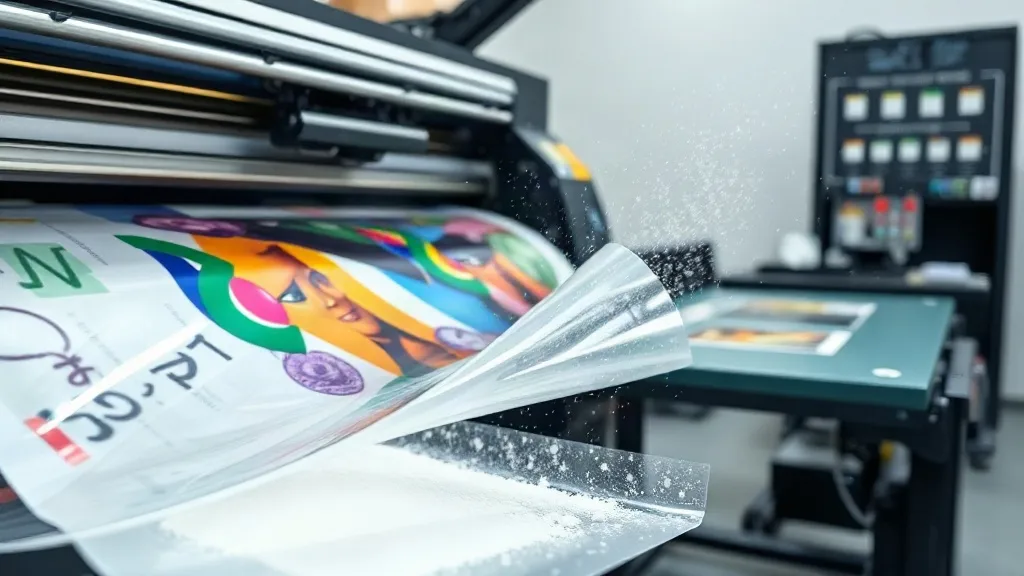
DTF stands for Direct-to-Film. It's a printing process where your design is printed onto a special PET film using a DTF printer. The printer lays down a layer of white ink, followed by CMYK colors, and then a powdered hot-melt adhesive is applied to the wet ink. After curing, the transfer is ready to be applied to a garment using a heat press. The adhesive melts and bonds the ink to the fabric, creating a strong, flexible bond.
What sets DTF apart is its ability to print on a wide range of materials, including cotton, polyester, blends, and even treated nylon. No pre-treatment is required, and the process works without weeding or cutting, which saves significant time and labor.
How DTF Transfers Differ from Other Printing Methods
To appreciate DTF, it helps to compare it with other popular techniques:
- Screen Printing: Requires separate screens for each color, making it costly for multi-color designs and short runs. DTF handles full-color designs in a single pass without setup fees.
- DTG (Direct-to-Garment): Works best on 100% cotton and often requires pre-treatment. DTF adheres well to polyester and blends, and doesn't need pretreat.
- Heat Transfer Vinyl (HTV): Involves weeding and layering, which is time-consuming for intricate designs. DTF transfers are ready to press with no weeding.
- Sublimation: Only works on light-colored polyester. DTF can print white ink, so it shows up on dark garments and natural fibers.
This versatility makes DTF transfers a powerful tool for customizing t-shirts, hoodies, tote bags, caps, and more.
The DTF Printing Process Step by Step
Understanding the workflow helps you achieve consistent results. Here's what happens from design to finished product:
- Design Preparation: Create your artwork in a vector or high-resolution raster format. Mirror the image before printing.
- Printing: Load the PET film into your DTF printer. The printer applies white ink as a base, then CMYK inks on top. Some printers also lay a protective layer.
- Powdering: While the ink is still wet, the film passes through a powder shaker that coats it with hot-melt adhesive powder. Excess powder is removed.
- Curing: The film goes through a curing oven or heat press to melt the powder, creating a dry, tack-free surface. The transfer is now ready to store or use.
- Heat Pressing: Place the transfer on the garment, apply heat and pressure for the recommended time, then peel the film off. The result is a vibrant, wash-resistant print.
Each step requires attention to detail, but the learning curve is manageable even for beginners.
Why Choose DTF Transfers?
There are several compelling reasons to incorporate dtf transfers into your printing arsenal:
- Unmatched Versatility: Print on cotton, polyester, blends, leather, and more without changing your process.
- No Weeding or Cutting: Save hours of labor on complex designs.
- Vibrant Colors: Achieve photo-realistic prints with fine details and gradients.
- Durability: When applied correctly, DTF prints withstand dozens of washes without cracking or fading.
- Cost-Effective for Short Runs: No minimum order quantities, making it ideal for one-offs and small batches.
- Fast Turnaround: From print to press in minutes, perfect for last-minute orders.
These benefits make DTF a go-to choice for custom apparel businesses, promotional product companies, and DIY enthusiasts.
Applications of DTF Printing
DTF isn't limited to t-shirts. Its flexibility opens up a world of possibilities:
- Apparel: T-shirts, hoodies, sweatpants, jackets, and more.
- Accessories: Tote bags, backpacks, hats, and socks.
- Home Decor: Cushion covers, aprons, and even canvas shoes.
- Promotional Items: Branded uniforms, event merchandise, and corporate giveaways.
Because DTF works on both light and dark fabrics, you can let your creativity run wild without worrying about color limitations.
Getting Started with DTF: Essential Equipment and Supplies
To set up a DTF printing operation, you'll need:
- DTF Printer: A dedicated printer with white ink circulation and roll-to-roll or sheet-fed capability.
- DTF Inks: High-quality pigment inks formulated for DTF printing.
- PET Film: Special coated film that releases the ink cleanly.
- Hot-Melt Powder: Adhesive powder that bonds the ink to fabric.
- Powder Shaker: For even application and removal of excess powder.
- Curing Oven or Heat Press: To melt the powder and set the transfer.
- Heat Press: For applying transfers to garments.
While the initial investment can be significant, the versatility and low cost per print often justify the expense for businesses.
Tips for Perfect DTF Transfers
Even with the right equipment, technique matters. Here are some best practices:
- Control Humidity: High humidity can cause powder to clump. Store powder in a dry place and use a dehumidifier if needed.
- Test Your Settings: Every printer and powder combo behaves differently. Run test prints to dial in temperature, pressure, and time.
- Mirror Your Image: Always print mirrored, or your text will be backwards.
- Preheat Garments: A quick pre-press removes moisture and wrinkles for better adhesion.
- Peel Correctly: Most DTF transfers are cold peel, but some are hot peel. Check your film's instructions.
- Wash Inside Out: Advise customers to wash garments inside out in cold water and avoid bleach to extend print life.
Following these tips will help you achieve professional-looking results consistently.
Common Challenges and How to Overcome Them
Like any printing method, DTF has its quirks. Here are solutions to common issues:
- Faded or Dull Prints: Ensure your ink is fresh and your printer is properly maintained. Check that the white ink layer is sufficient.
- Cracking After Wash: This often indicates under-curing of the powder or insufficient pressure during application. Increase curing time or pressure.
- Powder Not Sticking: Too much or too little powder can cause problems. Adjust the shaker settings and ensure the ink is wet when powder is applied.
- Film Jams: Use high-quality PET film and adjust printer settings to prevent misfeeds.
With a bit of troubleshooting, you can minimize waste and maximize quality.
DTF vs. DTG: Which Is Right for You?
Both DTF and DTG have their strengths. DTG excels on 100% cotton and offers a soft hand feel, but requires pretreatment and works best on light colors unless you have a white ink circulation system. DTF, on the other hand, handles dark colors and poly blends effortlessly, and the prints are highly durable. If you need flexibility across fabric types, DTF is often the better choice. For a detailed comparison, consider your production volume, fabric types, and budget.
Future of DTF Printing
The DTF market is growing rapidly, with advancements in ink formulations, printer technology, and eco-friendly powders. We can expect faster printers, lower costs, and even better wash durability. As more businesses adopt DTF, it's likely to become a standard in the custom apparel industry.
Frequently Asked Questions About DTF Printing
What fabrics can I use with DTF transfers?
DTF transfers work on a wide range of fabrics, including cotton, polyester, cotton-poly blends, nylon, leather, and even some treated synthetic materials. The key is that the fabric can withstand the heat press temperature (usually around 300-350°F).
How long do DTF prints last?
When applied correctly, DTF prints can last as long as the garment itself. With proper washing (inside out, cold water, no bleach) and avoiding high-heat drying, you can expect 50+ washes without significant fading or cracking.
Do I need a special printer for DTF?
Yes, you need a DTF printer that supports white ink and is designed for film printing. You can convert some Epson printers with DTF kits, but dedicated DTF printers offer better reliability and productivity.
Is DTF printing cost-effective for small orders?
Absolutely. Unlike screen printing, which requires setup fees per color, DTF has no minimum order and low per-unit cost for short runs. It's ideal for one-off custom items and small batches.
Can I use DTF transfers on dark garments?
Yes, DTF is perfect for dark garments because the white ink layer provides a bright base for the colors. This is a major advantage over DTG and sublimation, which struggle with dark fabrics.
What is the difference between DTF and DTF transfers?
DTF refers to the printing technology (Direct-to-Film), while DTF transfers are the actual printed films you apply to garments. Essentially, DTF transfers are the product created by the DTF printing process.
With its versatility, durability, and ease of use, DTF printing is transforming the custom apparel industry. Whether you're a small business owner or a DIY enthusiast, mastering DTF transfers can open up new creative and commercial opportunities. Explore the possibilities and see why so many are making the switch.