
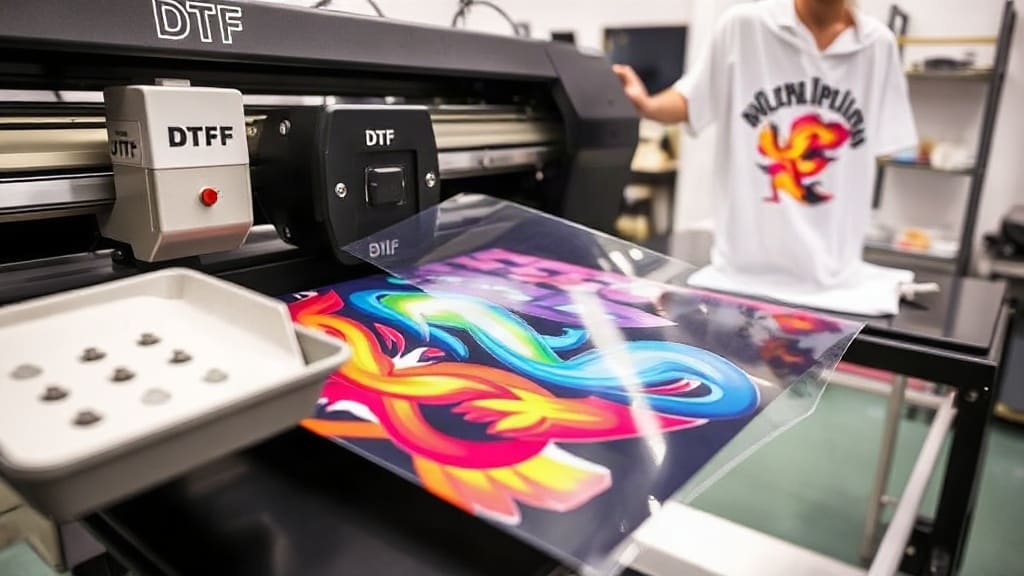
DTF transfers have taken the custom apparel industry by storm, offering a versatile and cost-effective alternative to traditional methods like screen printing and heat transfer vinyl. If you're new to this technology, you might be wondering what exactly DTF transfers are and how they work. In this comprehensive guide, we'll break down everything you need to know, from the basics to advanced tips, so you can confidently use DTF transfers for your projects.
What Are DTF Transfers?
DTF stands for Direct to Film. It's a printing method where a design is printed onto a special PET film using a DTF printer and then transferred onto fabric using a heat press. The process involves printing a mirror image of the design on the film, applying a hot melt adhesive powder, and then curing it. When you're ready to apply, you simply place the film onto the garment, press it with heat and pressure, and peel off the film to reveal a vibrant, durable print.
Unlike screen printing, DTF requires no screens, making it perfect for small batches and complex designs. Unlike vinyl, DTF can produce photorealistic prints with gradients and fine details without layering multiple colors. This flexibility has made DTF transfers increasingly popular among small business owners and hobbyists alike.
How Do DTF Transfers Work?
The DTF process involves several key steps:
- Design Creation: Create your artwork using graphic design software. Ensure it's at the correct resolution (300 DPI recommended) and in the right color mode (CMYK or RGB depending on your printer).
- Printing: Load a roll of PET film into a DTF printer. The printer uses specialized DTF inks (usually pigment-based) to print a mirror image of your design. A white ink layer is printed first (if the design requires it) to ensure vibrancy on dark garments.
- Powder Application: After printing, while the ink is still wet, apply DTF hot melt adhesive powder over the entire printed area. This powder is what makes the transfer stick to the fabric.
- Curing: Pass the film through a dryer or heat source to melt the powder and bond it to the ink. This step ensures the adhesive is properly activated.
- Application: Place the cured film onto the garment with the printed side down. Apply heat and pressure using a heat press (typically around 300°F to 320°F for 10-15 seconds). Peel the film off (hot or cold, depending on the manufacturer's instructions) to reveal your print.
Benefits of DTF Transfers
Why have DTF transfers become so popular? Here are some of the key advantages:
- Vibrant Colors: DTF prints are known for their excellent color vibrancy and detail, even on dark or colored fabrics.
- Soft Hand Feel: The prints are flexible and don't crack or peel easily, resulting in a soft texture that feels comfortable against the skin.
- Versatility: You can print on a wide range of fabrics, including cotton, polyester, blends, and even leather or nylon.
- No Screen Setup: No need for screens or weeding, saving time and effort, especially for small orders.
- Cost-Effective for Short Runs: Perfect for personalized items or small batches where screen printing would be impractical.
How to Apply DTF Transfers
Applying DTF transfers is straightforward, but there are a few tips to ensure the best results:
Temperature and Pressure
Set your heat press to the recommended temperature, usually around 300°F to 320°F. Use medium to firm pressure, but not so much that it leaves a mark on the garment. A Teflon sheet or parchment paper can protect the film during pressing.
Peeling Technique
Some DTF films are hot-peel, meaning you peel immediately after pressing. Others are cold-peel, requiring you to wait until it cools. Always check the manufacturer's instructions. Pull the film off slowly and evenly to avoid lifting the design.
Pre-Treating Garments
For best adhesion, especially on 100% cotton, you may want to pre-press the garment for a few seconds to remove any moisture and wrinkles. Some people also use a light spray of adhesive, but this is usually not necessary.
Common Mistakes to Avoid
Even experienced printers can make mistakes. Here are some pitfalls to watch out for:
- Using the Wrong Ink: DTF requires special pigment inks. Using regular sublimation ink will result in faded or non-permanent prints.
- Insufficient Powder: Make sure the entire design is covered with adhesive powder. Gaps will cause parts of the design not to stick.
- Over-curing: Too much heat can warp the film or cure the powder unevenly. Follow the recommended temperature and time.
- Not Mirroring the Design: Always print in mirror mode unless your design is symmetrical. Otherwise, your text will be backward.
DTF Transfers vs. Other Methods
When comparing DTF with other popular methods like screen printing and heat transfer vinyl, it's important to consider your specific needs. Screen printing is still the best for huge orders due to its low cost per unit, but it requires a significant upfront investment and setup time. Heat transfer vinyl is great for simple designs with few colors but struggles with gradients and photographs. DTF offers a sweet spot: it's versatile, produces high-quality prints, and is relatively affordable for small to medium runs. Plus, you can print on demand, reducing inventory costs.
Frequently Asked Questions
Can I use DTF transfers on any fabric?
DTF transfers work best on fabrics that can withstand the heat of a press, which includes cotton, polyester, and blends. They also adhere well to materials like nylon and leather, but you should test on a small area first. Avoid fabrics that are sensitive to heat, such as some synthetic blends with low melting points.
How long do DTF prints last?
With proper application and care, DTF prints can last as long as the garment itself. They are resistant to cracking and peeling, and they hold up well to washing. To extend their life, wash garments inside out in cold water and avoid using bleach or harsh detergents.
Do I need a special printer for DTF?
Yes, you'll need a printer that is compatible with DTF inks and can handle the PET film. Many people convert eco-solvent or pigment-based printers, but it's easier to purchase a ready-to-use DTF printer. Some models are specifically designed for this purpose and come with white ink circulation systems to prevent clogging.
Can I use DTF transfers for dark shirts?
Absolutely! One of the biggest advantages of DTF is its ability to print vibrant colors on dark fabrics. The white ink layer acts as a base, ensuring that the colors pop without showing the shirt's background.
How do I store DTF films?
Store your printed and cured DTF films in a cool, dry place away from direct sunlight. They can be kept flat or rolled, but avoid folding them, as this can cause creases that will affect the transfer quality.
Final Thoughts
DTF transfers are a game-changer for anyone looking to create custom apparel easily and affordably. Whether you're starting a small business or just want to make personalized gifts, this technology offers endless possibilities. By understanding the process and following best practices, you can achieve professional-looking results every time. So why not give DTF transfers a try? You'll be amazed at the quality and convenience they offer.