
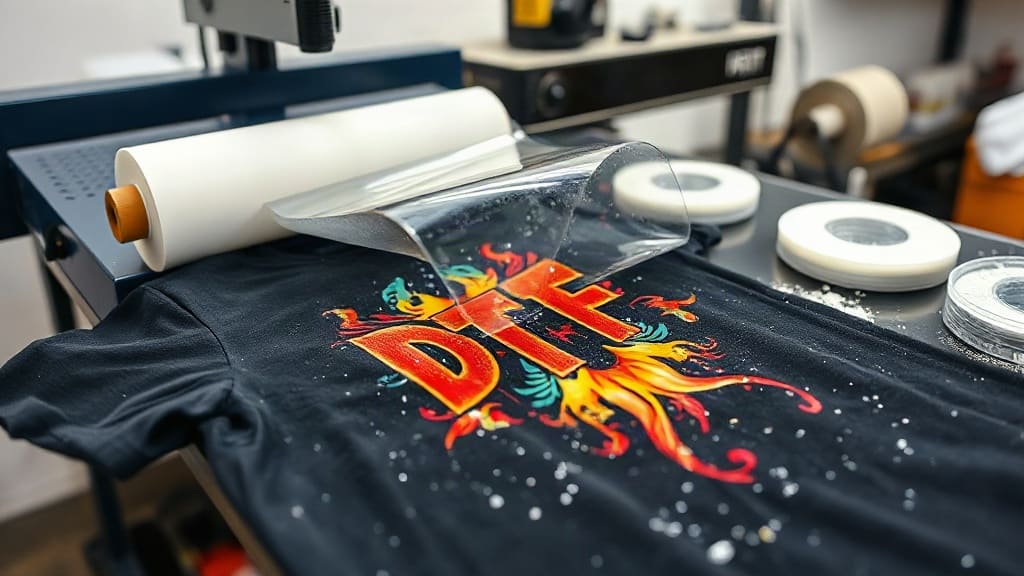
If you're in the custom apparel or printing business, you've probably heard about DTF transfers by now. This technology is sweeping the industry, offering a versatile and cost-effective way to produce high-quality prints on various fabrics. But what exactly are DTF transfers, and why are they becoming so popular? In this comprehensive guide, we'll dive deep into the world of direct-to-film printing, covering everything from the basic process to advanced tips for achieving perfect results.
DTF, which stands for Direct to Film, is a printing method where a special film is printed with a printer that uses pigment inks and white ink. The printed design is then coated with an adhesive powder and heat-pressed onto the fabric. Unlike traditional screen printing or heat transfer vinyl, DTF allows for full-color, detailed designs without the need for weeding or complex setup. This makes it an excellent choice for small runs, custom orders, and even large-scale production.
How Does DTF Printing Work?
The DTF process involves several key steps, each crucial for producing durable and vibrant transfers. Here's a breakdown of how it works:
- Design creation: The design is created or edited using graphic software, ensuring it is print-ready with proper colors and resolution.
- Printing: The design is printed onto a special PET film using a DTF printer. This printer uses CMYK plus white ink to create a mirror image of the design. The white ink is printed first, followed by the color layers, so the white acts as a base for vibrant colors on dark fabrics.
- Powder application: After printing, while the ink is still wet, a hot-melt adhesive powder is applied to the printed film. This powder adheres to the wet ink, and then the film is shaken or vacuumed to remove excess powder.
- Curing: The film is then passed through a dryer or heat press to melt the powder, which fuses with the ink and forms a strong adhesive layer.
- Transfer: Finally, the film is placed on the fabric with the powder side down, and a heat press is used to apply heat and pressure. The design transfers from the film to the fabric, and the film is peeled away, leaving a soft, durable print.
Advantages of DTF Transfers
Why are DTF transfers gaining so much traction? Let's look at the main benefits:
- Versatility: DTF works on a wide range of fabrics, including cotton, polyester, blends, and even tricky materials like nylon and leather. This makes it a one-stop solution for various products.
- No weeding: Unlike heat transfer vinyl, DTF requires no cutting or weeding. The entire design is printed and transferred as a whole, saving time and labor.
- Full-color and detailed prints: DTF allows for vibrant, detailed designs with gradients and photographic elements, which are difficult to achieve with other methods.
- Durability: DTF prints are stretchable and wash-resistant, maintaining their quality even after many washes.
- Cost-effective for small batches: Because there's no screen setup cost, DTF is ideal for low-quantity orders and custom one-offs.
- Quick turnaround: The entire process, from print to transfer, can be completed in minutes, enabling rapid production.
DTF vs. Other Printing Methods
Comparing DTF with other popular methods helps to understand its unique place in the market.
DTF vs. Heat Transfer Vinyl (HTV)
HTV requires cutting each color layer and weeding out excess material, which is labor-intensive and limited to solid colors. DTF, on the other hand, prints full-color designs in one go, without weeding. HTV is often preferred for simple text or logos, but DTF offers more flexibility and detail.
DTF vs. DTG (Direct to Garment)
DTG is excellent for printing directly onto cotton garments, but it's less effective on dark or synthetic fabrics. DTF, however, works on any fabric and doesn't require pre-treatment. DTG printers are also more expensive and slower for large orders. DTF is often more cost-effective for medium runs and provides a softer feel.
DTF vs. Screen Printing
Screen printing is still the go-to for massive quantities due to its low per-unit cost once setup is done. However, it requires expensive screens and a minimum order quantity to be economical. DTF offers a lower startup cost and is perfect for smaller batches, but for thousands of units, screen printing may still be cheaper per piece.
Essential Equipment for DTF Transfers
To start producing DTF transfers, you'll need specific equipment:
- DTF Printer: A dedicated DTF printer, often an Epson or other inkjet printer modified for DTF, with pigment inks and white ink circulation.
- PET Film Roll: The special film that absorbs the ink and is used for transfer.
- Hot-melt Adhesive Powder: A fine powder that melts and bonds the design to the fabric.
- Shaker/Vacuum: To apply and remove excess powder.
- Heat Press: For curing and transferring. A clamshell or swing-away heat press works well.
- Oven or Dryer (optional): To cure the powder, though many use a heat press for this step.
- Rip Software: For color management and printing control.
Step-by-Step Guide to Applying DTF Transfers
Applying DTF transfers is straightforward, but following the right steps ensures a professional finish. Here's how to do it:
- Pre-press: Pre-press the garment for 2-3 seconds to remove moisture and wrinkles. This helps the transfer adhere better.
- Position the transfer: Place the printed film on the fabric with the powder side down, exactly where you want the design.
- Heat press: Use a heat press set to around 160-170°C (320-340°F) and apply medium pressure for 15-20 seconds. The exact time and temperature may vary based on the fabric and film type.
- Peel: Allow the transfer to cool for a few seconds, then peel the film away. For best results, peel slowly and at a 45-degree angle.
- Post-press (optional): Some recommend a brief post-press with a Teflon sheet to ensure full bonding.
Tips for Perfect DTF Transfers
Getting the best results from your DTF transfers requires attention to detail. Here are some pro tips:
- Use high-quality films and powders: Cheaper materials can lead to cracking, peeling, or poor color reproduction.
- Calibrate your printer: Ensure your printer is properly calibrated for color accuracy and consistent white ink density.
- Shake off excess powder thoroughly: Excess powder can cause a rough texture or poor adhesion.
- Test on different fabrics: Not all fabrics behave the same, so test your settings on scrap material before printing final orders.
- Store transfers properly: If you print transfers in advance, store them in a cool, dry place to maintain their quality.
- Adjust for fabric type: For dark fabrics, ensure your white ink coverage is dense enough to prevent colors from becoming dull.
Common Mistakes to Avoid
Even experienced printers can run into issues. Here are common pitfalls to avoid:
- Using the wrong powder: The powder must be specifically designed for DTF, as other powders may not melt at the right temperature.
- Incorrect heat press settings: Too low a temperature may not activate the powder, while too high can damage the fabric or film.
- Skipping pre-press: This can lead to wrinkles or poor adhesion.
- Not curing the powder properly: If the powder isn't fully melted, the transfer may not stick well.
- Overlooking film quality: Low-quality films can curl or tear during printing or transfer.
Cost-Effectiveness of DTF Transfers
One of the biggest selling points of DTF is its cost-effectiveness. The initial investment in a DTF printer and accessories is moderate compared to screen printing setups. For small businesses, the ability to print custom items on demand without minimum order quantities is a game-changer. You can produce a single item or a hundred with the same per-unit cost, making DTF ideal for personalized products, small boutiques, and online stores.
Moreover, the labor savings from no weeding and easy setup significantly reduce production time. Over time, the savings in labor and materials can outweigh the initial equipment cost.
Applications of DTF Transfers
DTF transfers are incredibly versatile, opening up many possibilities:
- Custom t-shirts and apparel: From sports teams to corporate events, DTF is perfect for personalized clothing.
- Tote bags and accessories: Durable prints on canvas or polyester bags, hats, and aprons.
- Footwear: Printing on canvas shoes or even leather-like materials.
- Home décor: Custom pillows, towels, and other fabric items.
- Workwear and uniforms: High durability makes DTF suitable for uniforms that require frequent washing.
Choosing a DTF Supplier
If you'd rather not invest in equipment, you can purchase pre-made DTF transfers from suppliers. Many companies now offer custom DTF prints, where you send your design and they produce the transfers ready to press. This is an excellent option for those starting out or with low volume. When choosing a supplier, consider their print quality, turnaround time, and customer reviews. Look for suppliers who use high-quality inks and films to ensure your transfers last.
Frequently Asked Questions
Can DTF transfers be used on any fabric?
Yes, DTF transfers work on a wide range of fabrics, including cotton, polyester, nylon, and blends. However, the recommended settings may vary, and some fabrics like very stretchy spandex may require special care. Always test on a sample first.
How many washes do DTF transfers withstand?
High-quality DTF transfers can withstand 50 or more washes without significant fading or cracking. Proper application and care, like washing inside out in cold water, can extend their lifespan.
What is the shelf life of DTF transfers?
If stored in a cool, dry place away from direct sunlight, DTF transfers can last for months or even years. However, it's best to use them within a few months to ensure optimal adhesion and color vibrancy.
Do I need a special printer for DTF?
Yes, DTF requires a printer that can handle pigment inks and white ink, with a system to keep the white ink circulating to prevent settling. Many printers are specifically designed for DTF, but some standard printers can be converted with kits.
Can I use DTF transfers on dark shirts without white underbase?
No, DTF transfers always include a white ink layer, which serves as the base for colors. This ensures that the design appears vibrant on dark fabrics. Without the white underbase, the colors would be transparent and dull.