
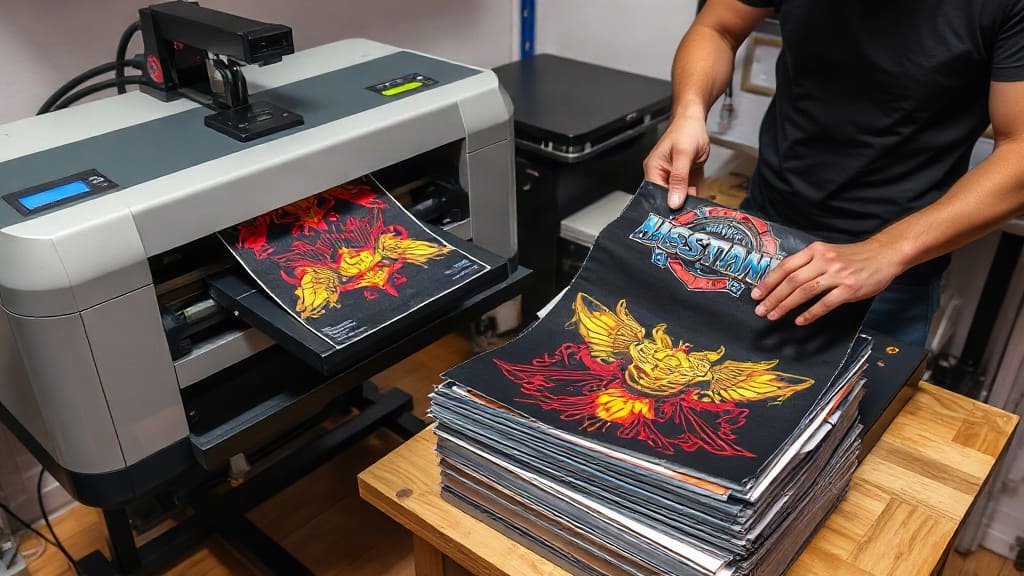
If you're in the custom apparel business, you've likely heard about DTF transfers. This innovative printing method has taken the industry by storm, offering a versatile and cost-effective alternative to traditional screen printing and heat transfer vinyl. Whether you're a small business owner, a hobbyist, or just curious about the technology, understanding DTF transfers can open up new possibilities for your projects. In this guide, we'll dive deep into what DTF transfers are, how they work, their benefits, and how to find the best DTF transfers near me for your needs.
What Are DTF Transfers?
DTF, which stands for Direct to Film, is a printing method where a design is printed onto a special PET film using a DTF printer and then transferred to a substrate, typically fabric, using a heat press. Unlike DTG (Direct to Garment) printing that prints directly onto the shirt, DTF prints onto a film first, allowing for more flexibility in terms of the types of materials you can print on. This includes cotton, polyester, blends, and even some hard surfaces like wood or ceramic, making it incredibly versatile.
How Does DTF Printing Work?
The DTF process might sound complex, but it's actually quite straightforward once you understand the steps. Here's a breakdown:
- Printing: A design is printed in reverse onto a PET film using a specialized DTF printer and CMYK plus white ink. The white ink acts as a base layer, making colors pop on dark garments.
- Powdering: While the ink is still wet, a hot-melt adhesive powder is applied to the film. This powder sticks only to the wet ink areas and is then shaken off from the unprinted sections.
- Curing: The film is then passed through a heat source or dryer to melt the powder, creating a strong adhesive layer that will bond the design to the fabric.
- Transfer: The film is placed on the fabric with the powder side down, and a heat press applies temperature and pressure for a specific time, usually around 15-20 seconds at 160-170°C.
- Peeling: Once pressed, the film is peeled away, leaving the design permanently fused to the fabric. You can choose between hot or cold peel, depending on the type of film and powder used.
Key Benefits of DTF Transfers
Why are DTF transfers gaining so much popularity? Here are some of the main advantages:
- Versatility: DTF works on a wide range of fabrics, including cotton, polyester, nylon, and even leather, without needing pre-treatment. This makes it ideal for diverse products like t-shirts, hoodies, tote bags, and more.
- Durability: The adhesive powder creates a strong bond that can withstand many washes without cracking or fading. When applied correctly, DTF prints are stretchy and flexible.
- Color Vibrancy: Because the white base is printed, colors remain vivid and opaque even on dark materials.
- Cost-Effective for Small Runs: Unlike screen printing, which requires setup fees and minimum quantities, DTF is perfect for small batches, even one-off prints. You can print multiple designs on one sheet, reducing waste.
- No Weeding: Unlike HTV, there's no tedious weeding involved. The design is printed exactly as needed, saving time and labor.
DTF vs. Other Printing Methods
To fully appreciate DTF, it's helpful to compare it with other common methods. Let's look at DTG and screen printing:
DTF vs. DTG
DTG prints directly onto the garment using a special printer. It's excellent for detailed, colorful graphics on cotton, but it requires pre-treatment for dark colors, and it can be slow for bulk orders. DTF, on the other hand, can print on more fabric types and allows you to print on demand without pre-treatment, making it a flexible choice for many businesses.
DTF vs. Screen Printing
Screen printing is the traditional method for large orders because it's cost-effective at high volumes. However, it requires a significant upfront investment for screens and setup. DTF offers lower startup costs for small orders and allows for quick turnaround times, making it a great alternative for small businesses and startups.
How to Apply DTF Transfers
If you're doing it yourself, you'll need a heat press, which is usually a clamshell or swing-away type. Here's a step-by-step guide to applying a DTF transfer:
- Set your heat press to the recommended temperature, usually around 160-170°C (320-338°F).
- Pre-press the garment for a few seconds to remove moisture and wrinkles.
- Place the DTF transfer on the fabric, with the adhesive side down.
- Use a heat-resistant tape to secure the corners, preventing movement.
- Press with medium to firm pressure for 15-20 seconds.
- If it's a cold peel, wait a few seconds before peeling; if hot peel, peel immediately.
- Peel the film slowly and evenly to avoid ripping the design.
For best results, make sure you use a quality heat press that delivers even heat and pressure. Practice on scrap fabric first to get the timing and temperature right.
Where to Find DTF Transfers Near Me
Now that you're sold on the benefits, you might be wondering where to get DTF transfers near me. There are two main options: buy pre-made transfers or invest in your own DTF printer.
Buying Pre-Made DTF Transfers
For those who want to avoid the initial investment, buying ready-made transfers is a great option. You can find them from local print shops that offer DTF services, or you can order online from companies that ship. To locate a local supplier, simply search online for "DTF transfers near me" and check reviews. Benefits include no need for expensive equipment and access to professional printing expertise. However, you'll need to wait for delivery if ordering online, and the cost per print might be higher than doing it yourself.
Investing in a DTF Printer
If you plan to produce large volumes or want full control over customization, owning a DTF printer might be worthwhile. You'll need to consider the cost of the printer (which can range from a few hundred to several thousand dollars), plus ongoing costs for films, inks, and powder. While it's a significant upfront investment, the per-print cost drops significantly, and you can print on demand, which is ideal for a growing business.
Tips for Choosing a DTF Transfer Supplier
If you decide to buy from a supplier, here are some tips to ensure you get high-quality DTF transfers:
- Check Reviews: Look for suppliers with positive feedback, especially regarding print quality and durability.
- Order Samples: Before committing to a large order, order a few samples to test on your garments. This will help you assess color accuracy, adhesion, and washability.
- Ask About Films and Inks: High-quality films and inks make a big difference. Ask what brands they use and if they use white ink with good opacity.
- Turnaround Time: If you need fast delivery, choose a supplier that offers quick turnaround. Some can produce and ship within 24-48 hours.
- Customization: Ensure they can handle your specific design requirements, such as sizes, colors, and quantities.
Common Mistakes to Avoid with DTF
Even with great supplies, mistakes can happen. Here are common pitfalls and how to avoid them:
- Incorrect Temperature: Too low and the adhesive won't melt properly; too high and you risk damaging the fabric. Always test with a scrap piece.
- Peeling too Fast: If you peel while the film is still too hot, you might pull off some of the design. Follow the recommended peel temperature and time.
- Poor Pre-Press: Not pre-pressing the garment can leave moisture or wrinkles, leading to poor adhesion.
- Using Low-Quality Transfers: Cheap transfers might have weak adhesive or faded colors, so invest in reputable sources.
Is DTF Right for Your Business?
Deciding whether to incorporate DTF into your workflow depends on your niche and volume. If you're a print-on-demand business, DTF allows you to produce custom items without large inventory. If you're a traditional screen printer, you might add DTF for small orders or samples. The flexibility and ease of use make it a valuable addition to any apparel business.
Frequently Asked Questions (FAQ)
How long do DTF transfers last on garments?
With proper application and care, DTF transfers can last as long as the garment itself. They are resistant to cracking and fading, especially if you use quality materials and follow the recommended washing instructions, such as washing inside out in cold water and avoiding harsh detergents.
Can I use DTF transfers on any fabric?
DTF is compatible with a wide range of fabrics, including 100% cotton, polyester blends, and even nylon. However, for very stretchy materials like spandex, it's essential to use a stretchable adhesive powder and test first. The bond is generally strong and flexible, but extreme stretch may cause issues.
What equipment do I need to start using DTF transfers?
To apply pre-made transfers, you only need a heat press, which can be purchased for around $300 or more. If you want to print your own, you'll need a DTF printer, which can cost anywhere from $1,500 to $10,000, plus a heat press, powder applicator, and curing oven. Many small businesses start with a budget-friendly printer and upgrade as they grow.
Are DTF transfers eco-friendly?
The eco-friendliness of DTF depends on the inks and films used. Water-based inks are more sustainable than solvent-based ones. Some films are recyclable, but the adhesive powder might not be biodegradable. Look for suppliers that use eco-solvent or water-based inks and offer recycling programs for films.
How do I store DTF transfers before use?
Keep your transfers in a cool, dry place away from direct sunlight and heat. Moisture can cause the powder to clump, so store them in a sealed plastic bag or container. If stored properly, they can last for several months without losing quality.
Conclusion
DTF transfers are a game-changer in the custom apparel industry, offering versatility, durability, and convenience. Whether you're starting a small business or looking to expand your existing operations, DTF provides a cost-effective solution for producing high-quality prints on demand. By understanding the process, benefits, and how to find the right supplier, you can make informed decisions that boost your productivity and profitability. So, next time you search for "DTF transfers near me," you'll know exactly what to look for and how to get the best results. Happy printing!