
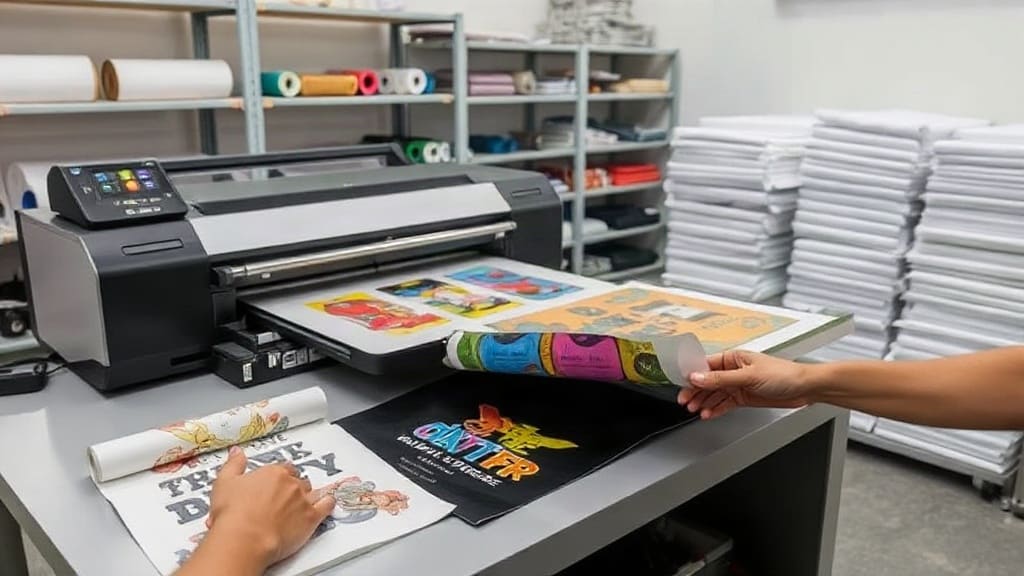
If you're searching for DTF transfers near me, you're probably a small business owner, a print shop operator, or a crafter looking to expand your product line. DTF (Direct to Film) printing has gained popularity for its versatility and vibrant results, but finding a reliable local supplier can be tricky. This guide will walk you through the process, from understanding DTF quality markers to evaluating local printers, ensuring you get the best value without sacrificing print quality.
Why Choose a Local DTF Transfer Supplier?
While online ordering is convenient, working with a local supplier offers several advantages. You can inspect prints in person, discuss custom orders face-to-face, and reduce shipping times and costs. Additionally, local printers often provide faster turnaround times, which is crucial if you have tight deadlines or need to restock quickly. But not all local DTF printers are created equal. Here's what to look for to ensure you're getting top-notch transfers.
Key Quality Indicators in DTF Transfers
Before committing to a supplier, it's important to understand what makes a high-quality DTF transfer. Poor-quality transfers can ruin your final product, leading to customer complaints and wasted materials. Here are the main factors to evaluate:
Print Resolution and Color Vibrancy
A good DTF transfer should have sharp, detailed images with vibrant colors. Look for prints that have a high resolution, typically 1440 DPI or higher. The colors should be consistent and true to your design. Ask to see physical samples, not just digital proofs, to assess color accuracy and saturation.
Adhesive and Powder Quality
The adhesive layer is what makes the transfer stick to the fabric. High-quality adhesive should be evenly applied and free of dust or clumps. The powder used should melt properly during the heat press, creating a strong bond. If you notice any powdery residue or uneven coating on the film, it could lead to poor adhesion or cracking after washing.
Film and Ink Compatibility
The type of film and ink used affects the transfer's durability and feel. Premium DTF transfers often use a matte or glossy film depending on the application. The ink should be flexible and resistant to cracking, especially on stretchy fabrics. Ask about the ink brand and whether they use pigment-based inks, which are more durable than dye-based ones.
How to Find and Vet Local DTF Transfer Providers
Now that you know what to look for, here's a step-by-step approach to finding the best DTF transfers near me:
- Search and Compile a List: Use search engines and social media to find local print shops that offer DTF services. Look for businesses with active portfolios, positive reviews, and clear contact information.
- Check Reviews and Testimonials: Browse Google, Yelp, and Facebook reviews. Pay attention to comments about print quality, turnaround time, and customer service. If a business has many negative reviews mentioning peeling or fading, steer clear.
- Request Samples: Contact each candidate and ask for a sample pack. Most reputable printers will provide samples for a nominal fee or even free. Test these samples on different fabrics and through multiple washes to see how they hold up.
- Ask About Customization: If you need specific sizes, color matching, or special effects (like glitter or puff), confirm they can handle it. Some local printers may have limitations, so it's better to know upfront.
- Evaluate Their Equipment: While you don't need to be a tech expert, ask about their printers and heat press processes. Advanced equipment often indicates a commitment to quality. Look for signs of professionalism, like a clean and organized workspace.
Common Mistakes to Avoid When Choosing a DTF Transfer Provider
Even with careful vetting, there are pitfalls that can catch you off guard. Here are some to watch out for:
Basing Your Decision Solely on Price
Cheap transfers may seem like a bargain, but they often come with hidden costs: more rejects, shorter lifespan, and unhappy customers. aim for a balance between price and quality. Compare quotes from multiple suppliers and understand what's included in the price (e.g., shipping, setup fees).
Ignoring Turnaround Time
Some local printers might have a backlog, especially during peak seasons. Clarify the production time and ask if they offer rush orders if you need them. A supplier who can't meet your deadlines is not a good fit, no matter how great their prints are.
Not Testing on Your Actual Fabric
DTF transfers behave differently on cotton, polyester, blends, and specialty fabrics. Always test the transfers on the exact fabric you intend to use. A transfer that works perfectly on a cotton t-shirt may not adhere well to a polyester athletic jersey. Ask for fabric-specific recommendations.
Cost Comparison: Local vs. Online DTF Transfer Services
To help you make an informed decision, here's a rough comparison of local and online DTF transfer services:
- Price per transfer: Local suppliers may charge $1.50-$4.00 per transfer for a standard size (e.g., 8x10 inches), while online services can be slightly cheaper due to volume, but shipping costs can offset the savings.
- Shipping time: Local: same-day pickup or next-day delivery. Online: 3-7 business days plus shipping time.
- Quality control: Local: you can inspect and approve a print run before full production. Online: you rely on digital proofs and hope for the best.
- Customization and support: Local: easier to communicate and iterate on designs. Online: often limited to web forms and email.
Remember, the cheapest option isn't always the most cost-effective. Consider the total cost of ownership, including wasted materials and lost time due to inferior prints.
What to Expect from a Professional DTF Transfer Service
When you partner with a reputable local DTF transfer provider, you should expect:
- Clear communication: They should explain the process, provide timelines, and answer your questions promptly.
- Proofing: A professional will provide a digital proof for approval before printing, especially for large orders.
- Consistent quality: Your transfers should look identical across batches, with accurate colors and sharp details.
- After-sales support: If you encounter issues, they should be willing to help troubleshoot.
Frequently Asked Questions
How do I know if a DTF transfer is of good quality?
You can evaluate quality by examining the print resolution, color vibrancy, and the distribution of adhesive powder. A high-quality transfer will have a smooth, even coating and vibrant colors that don't wash out. Always test a sample on your fabric and wash it multiple times to check for cracking or peeling.
What is the typical turnaround time for DTF transfers from a local printer?
Turnaround times can vary, but most local printers can complete an order within 2-5 business days, depending on the order size and their current workload. Rush services may be available for an additional fee, often cutting the time to 24-48 hours.
Can I request a sample before placing a bulk order?
Absolutely. Reputable DTF transfer suppliers will usually offer samples, sometimes for free or at a minimal cost. This is a great way to assess their quality and see if they meet your expectations. Make sure to test the sample on your actual fabric.
Are there any minimum order quantities (MOQs) for DTF transfers?
Some local printers have MOQs, while others don't. It's best to ask upfront. If you're a small business and need low quantities, look for a printer that accommodates small orders. Some may charge a setup fee for custom designs, regardless of quantity.
What fabrics work best with DTF transfers?
DTF transfers work well on a variety of fabrics, including cotton, polyester, nylon, and blends. However, the best results are often on cotton and cotton-polyester blends. For high-polyester fabrics, you may need to adjust temperature and pressure settings. Always test on the actual fabric you plan to use.
Final Thoughts
Finding the right DTF transfers near me doesn't have to be a gamble. By knowing what to look for, asking the right questions, and testing samples, you can secure a local supplier that delivers consistent, high-quality transfers. Remember, your reputation depends on the products you sell, so never compromise on quality for a lower price. With a reliable partner, you can expand your product line, meet customer demands, and grow your business with confidence.