
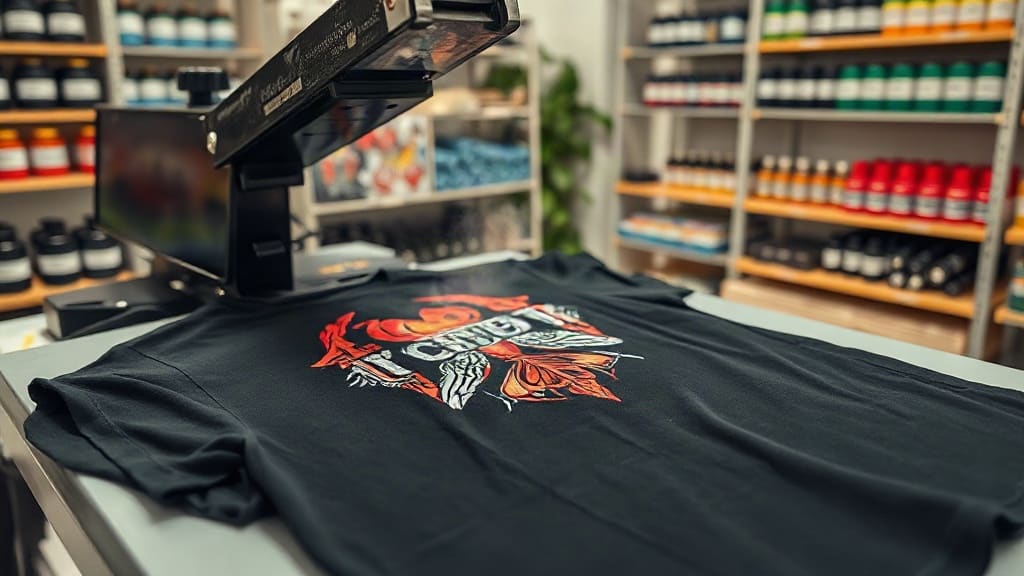
DTF transfers have revolutionized the custom apparel industry, offering a flexible and cost-effective way to print vibrant designs on a wide range of fabrics. Whether you're a seasoned printer or just starting a T-shirt business, understanding this technology is crucial. In this comprehensive guide, we'll dive deep into what DTF transfers are, how they compare to other methods, and how to get the best results every time.
What Are DTF Transfers?
DTF stands for Direct to Film. Unlike direct-to-garment (DTG) printing, which prints directly onto the shirt, DTF involves printing your design onto a special PET film using a specialized printer and ink. The printed film is then coated with a hot-melt adhesive powder, cured, and finally transferred onto the fabric using a heat press. The result is a durable, flexible, and vibrant print that can be applied to cotton, polyester, blends, and even hard surfaces like bags and caps.
The DTF Process Step by Step
- Printing: Your design is printed in reverse onto a PET film using DTF inks (typically water-based or eco-solvent).
- Powdering: While the ink is still wet, a fine adhesive powder is applied evenly over the printed area. This powder acts as the bonding agent.
- Curing: The film with powder is passed through a dryer or heat tunnel to melt the powder slightly, creating a tacky layer.
- Transfer: The film is placed on the garment (powder side down) and pressed with a heat press at around 160-170°C for 15-20 seconds with medium pressure.
- Peeling: After pressing, the film is peeled away, leaving the design perfectly adhered to the fabric.
Why Choose DTF Transfers?
There are several reasons why DTF transfers have become a go-to choice for both small businesses and large-scale production.
Versatility Across Fabrics
One of the biggest advantages is its ability to print on a wide variety of materials. Unlike DTG, which works best on 100% cotton, DTF can handle cotton, polyester, nylon, denim, leather, and blends. This makes it ideal for sports jerseys, workwear, and promotional items where synthetic materials are common.
Durability and Washability
DTF prints are known for their excellent adhesion. When properly applied, they can withstand repeated washing without cracking or fading. The adhesive powder creates a strong bond that flexes with the fabric, making it suitable for garments that see heavy use.
Cost-Effective for Small Runs
Setting up a DTF operation requires less initial investment compared to screen printing, and you don't need to create screens or plates. This makes it perfect for on-demand printing and small custom orders, allowing you to print just one item or dozens without a heavy setup cost.
White Ink Capability
DTF printers are equipped with white ink channels, enabling you to print on dark-colored fabrics without needing a separate white underbase. This is a significant advantage over many other digital printing methods.
DTF vs. DTG vs. Screen Printing
To truly appreciate DTF transfers, it helps to compare them with other popular methods.
DTF vs. DTG
DTG prints directly onto the garment, which can be slower for multiple items and is limited to light cotton fabrics. DTF, on the other hand, can be pre-printed and stored, making it faster for production. DTF also works on darker fabrics and synthetics, offering more flexibility.
DTF vs. Screen Printing
Screen printing is unbeatable for very large quantities due to its low per-unit cost. However, it requires significant setup, and each color needs a separate screen. DTF is more economical for short runs, offers full-color prints without extra screens, and has a quicker turnaround.
Tips for Perfect DTF Transfers
Getting professional results with DTF transfers requires attention to detail. Here are some expert tips to ensure your prints are flawless.
Choose the Right Film and Powder
Not all PET films are created equal. For best results, use a high-quality film designed specifically for DTF. Similarly, the adhesive powder comes in different particle sizes; a fine powder (around 80-120 mesh) is suitable for most designs, while a coarser powder is better for heavy textures like glitter.
Optimize Your Printer Settings
Your printer settings play a crucial role. Ensure you're using the correct ICC profile for your ink and film combination. Set the print resolution to at least 1440x1440 dpi for crisp details. Also, make sure the white ink is properly agitated and circulated to prevent clogging.
Master the Heat Press Process
Temperature, pressure, and time are critical. Typically, you'll want a temperature between 150°C and 170°C (depending on the fabric), medium to firm pressure, and a press time of 15-20 seconds. Always test on a scrap piece of fabric first to fine-tune your settings.
Peel While Hot or Cold?
Most DTF films require a hot peel, meaning you peel the film immediately after pressing. However, some films may require a cold peel. Check the manufacturer's instructions. For hot peel, be quick and consistent. Use a gentle, even pull to avoid lifting any ink.
Common Mistakes to Avoid
Even experienced printers can run into issues. Here are some pitfalls to avoid when using DTF transfers.
- Not pre-pressing the garment: Pre-press for a few seconds to remove moisture and wrinkles, ensuring a smooth surface.
- Using too little pressure: Insufficient pressure can result in poor adhesion. Make sure your press is calibrated correctly.
- Overcuring the powder: If you cure the powder too long, it can melt too much and bleed. Follow the recommended curing times.
- Ignoring film storage: Keep your printed films in a dry, dust-free environment. Moisture can affect the adhesive properties.
Applications and Use Cases
Due to its versatility, DTF transfers are used across many industries.
- Custom Apparel: Create personalized T-shirts, hoodies, and sweatshirts for events, businesses, or personal use.
- Sports Teams: Produce jerseys and training wear with logos, player names, and numbers.
- Workwear and Safety Gear: Add reflective strips or company branding to uniforms.
- Accessories: Print on tote bags, caps, and even mouse pads.
Frequently Asked Questions
How long do DTF transfers last?
When properly applied and cared for, DTF transfers can last for the lifetime of the garment. They are resistant to cracking and fading, but like any print, they will eventually show signs of wear after many washes, especially if washed with harsh detergents or at high temperatures.
Can DTF transfers be used on any fabric?
DTF works on most fabrics, including cotton, polyester, blends, nylon, and even leather. However, very stretchy or delicate fabrics might require special handling. Always test on a sample piece first to ensure the transfer adheres well and doesn't damage the material.
Do you need a special printer for DTF?
Yes, DTF requires a printer that can handle white ink and print onto film. Many printers are available that are specifically designed for DTF, or you can convert certain models. It's essential to use a printer with a robust ink system to prevent clogs.
What is the cost per print with DTF?
The cost per print varies depending on ink usage, film, powder, and electricity. Generally, for a standard A4-sized print, the cost is around $0.50 to $1.00. This makes DTF very cost-effective for small to medium runs.
Is DTF eco-friendly?
Compared to screen printing, DTF uses less water and produces less waste, making it a more sustainable option. However, the PET film is not biodegradable, so it's important to dispose of it properly. Some companies offer recycling programs for used film.
Conclusion
DTF transfers are a game-changer in the custom printing world. Their versatility, durability, and cost-effectiveness make them an attractive option for entrepreneurs and established businesses alike. By understanding the process, choosing the right materials, and mastering the application technique, you can produce stunning, long-lasting prints that will delight your customers. Whether you're just starting out or looking to expand your services, DTF is certainly worth considering.