
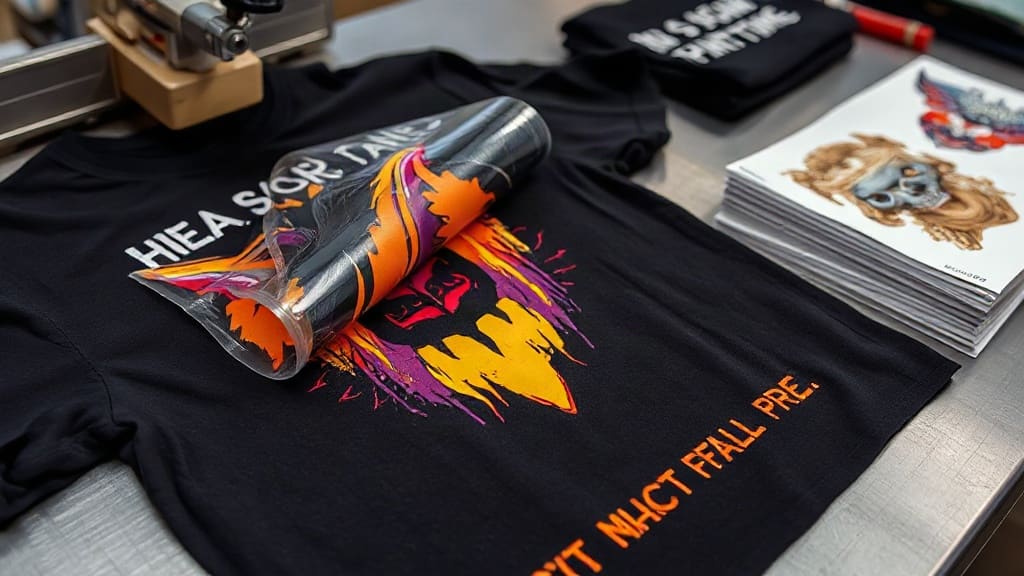
DTF transfers have taken the custom apparel industry by storm, offering a versatile and cost-effective alternative to traditional screen printing and DTG. If you're looking to start your own clothing line or expand your existing print services, understanding the intricacies of DTF transfers is essential. This guide will walk you through the entire process, from how they work to the pros and cons, and even help you decide if they're the right choice for your business.
What Are DTF Transfers?
DTF stands for Direct to Film. Unlike direct-to-garment (DTG) printing, which prints directly onto the fabric, DTF involves printing your design onto a special film, then transferring it to the garment using a heat press. The result is a vibrant, durable print that can be applied to a wide range of materials, including cotton, polyester, blends, and even leather. This flexibility is one of the main reasons why DTF transfers have become so popular among small business owners and large-scale printers alike.
The process begins with printing a mirror image of your design onto a clear film using a specialized printer. A white ink layer is printed first, followed by the colored inks, and then an adhesive powder is applied to the wet ink. The powder is melted and cured, creating a strong bond that will later fuse with the fabric during the transfer. The film is then cut into individual transfers, which can be stored and applied whenever needed.
How Do DTF Transfers Work?
To see why DTF transfers are so effective, you need to understand the steps involved. First, you need a DTF printer that uses compatible inks and films. The design is printed in reverse, so when you apply the film to the garment, the image appears correctly. A crucial step is the application of adhesive powder, which acts as the glue that binds the print to the fabric. The powder is applied while the ink is still wet, so you need to work quickly. Once the powder is evenly spread, it's melted in a curing oven or with a heat press, creating a solid bond.
The actual transfer process requires a heat press. You place the transfer film with the printed side down onto the garment, apply heat and pressure for a specific time (usually around 20 seconds at 300°F), and then peel the film. There are two types of peel: hot peel and cold peel. Hot peel means removing the film immediately after pressing, while cold peel requires waiting until the transfer cools down. The choice depends on the film and powder you use, so always follow the manufacturer's instructions.
Step-by-Step Application
- Pre-press the garment for a few seconds to remove moisture and wrinkles.
- Place the DTF transfer on the garment, ensuring it's centered and positioned correctly.
- Cover with a Teflon sheet or parchment paper to protect the transfer.
- Press with the recommended temperature and pressure for the specified time.
- Peel the film either hot or cold, depending on the transfer type.
- Apply a final press? No, that's it! You're done.
Pros and Cons of DTF Transfers
When comparing DTF transfers to other printing methods, it's important to weigh the advantages and disadvantages. Here's a breakdown to help you decide if it's the right fit for your needs.
Pros
- Versatility: You can print on almost any fabric, including blends that are difficult for DTG printers.
- Soft Hand Feel: The prints are soft and don't crack easily, making them comfortable for the wearer.
- Durability: DTF transfers are known for their excellent washability, lasting for many washes without fading.
- Cost-Effective for Small Runs: Unlike screen printing, there are no setup fees, so you can print even a single shirt profitably.
- No Pre-Treatment: Unlike DTG, DTF doesn't require pre-treating the fabric, saving time and reducing errors.
- Vibrant Colors: The white ink base ensures that colors pop even on dark garments.
Cons
- Learning Curve: Getting the right powder application and press settings can take some practice.
- Equipment Cost: You need a specialized DTF printer, film, and powder, which can be an initial investment.
- Peeling Issue: If not pressed properly, the film may not peel cleanly, leaving a residue.
- Less Stretchability: The print may not stretch as well as screen printing on fabrics that require high elasticity.
DTF Transfers vs. Other Methods
To fully appreciate the value of DTF transfers, it helps to compare them with other popular techniques like screen printing, DTG, and heat transfer vinyl (HTV). Each method has its strengths and weaknesses, and the right choice depends on your production volume, fabric types, and budget.
DTF vs. Screen Printing
Screen printing is the go-to for large bulk orders because it offers the lowest cost per print when you're printing hundreds of identical designs. However, it requires significant setup, including creating screens, which is time-consuming and expensive for small runs. DTF transfers shine for small orders, multiple designs, and on-demand printing. The turnaround time is also faster with DTF, as you can print and transfer a single shirt in minutes.
DTF vs. DTG
DTG printing is great for high-detail, full-color designs, but it requires pre-treatment for cotton garments, and the prints can fade after repeated washes. DTF transfers have a wider fabric compatibility, including polyester, and generally produce more durable prints. DTF also allows for printing on items like caps and bags that are hard to set up in a DTG printer. The main downside of DTF is the need for a separate heat press, whereas DTG printers can directly print and then cure with a heat source.
DTF vs. HTV
Heat transfer vinyl (HTV) is perfect for simple designs with few colors, like names and numbers. It's easy to use and requires only a vinyl cutter and heat press. However, HTV has a thicker feel and can peel over time. DTF transfers offer more detailed and colorful prints without the extra steps of weeding. If you're adding complex graphics, DTF is the clear winner.
Cost of DTF Transfers: What to Expect
The cost of DTF transfers can vary based on several factors, including the size of the transfer, the number of colors, and the volume you purchase. For businesses, one of the main attractions is the ability to produce cost-effective prints without minimum order quantities. Here's a breakdown of the costs involved:
- Initial Investment: A DTF printer can range from $2,000 to $10,000, depending on the brand and features. You'll also need a heat press, which can cost $200 to $2,000.
- Consumables: DTF film, ink, and adhesive powder are ongoing costs. On average, the consumable cost per print is around $0.50 to $1.50 per 8x10 inch transfer, but this can decrease with bulk purchasing.
- Labor and Time: The time it takes to print, powder, and press each transfer is a factor. With practice, you can produce a transfer in under a minute, making the labor cost relatively low.
If you're just starting and don't want to invest in equipment, you can purchase pre-made DTF transfers from suppliers. This option allows you to test the waters without a large upfront cost. The price per transfer might be higher, but it's a low-risk way to enter the market.
Choosing the Right DTF Equipment
To get the best results with DTF transfers, you need reliable equipment. When selecting a DTF printer, look for models that are specifically designed for DTF printing, as they often have features like ink circulation systems to prevent clogging. Consider the print width, as larger printers allow bigger designs. Also, check the resolution; a higher resolution ensures fine details are captured.
The heat press is equally important. A clamshell or swing-away press with adjustable temperature and pressure is ideal. Look for a press with a digital display and accurate controls. You'll also need a curing oven or a heat press to melt the powder, but some printers have an integrated curing unit. If you're on a budget, you might start with a basic setup and upgrade as your business grows.
Tips for Perfect DTF Transfers Every Time
To achieve consistent, high-quality results, follow these expert tips:
- Proper Film Handling: Store your film in a cool, dry place to prevent moisture damage. Always handle it by the edges to avoid leaving fingerprints.
- Consistent Powder Application: Shake the powder evenly over the printed design, ensuring full coverage. Use a sieve for a uniform layer.
- Test, Test, Test: Before starting a production run, do a test print on a scrap garment to adjust settings for your specific fabric and transfer type.
- Follow Manufacturer Guidelines: Each film, ink, and powder brand may have different optimal settings. Don't assume; check the specs.
- Clean Your Printer: Regularly clean the print head and perform nozzle checks to prevent streaks and clogging, which could ruin prints.
Frequently Asked Questions
How long do DTF transfers last on garments?
When applied correctly, DTF transfers are incredibly durable. They can withstand 50-plus washes without significant fading or cracking, especially if you use high-quality materials and follow the care instructions. The key is to ensure the adhesive powder is fully cured and the press settings are optimal for the fabric type.
Can DTF transfers be used on dark colored shirts?
Yes, that's one of the biggest advantages of DTF transfers. The white ink layer acts as a base, ensuring that the colors remain vibrant even on dark fabrics. This makes DTF an excellent choice for printing on black or navy garments, which are popular in the apparel industry.
Do I need a special printer for DTF transfers?
While you can convert some regular inkjet printers, it's highly recommended to use a printer specifically designed for DTF. These printers have features like white ink circulation to prevent settling, and they use DTF-compatible inks that adhere properly to the film. Using a standard printer may lead to clogged nozzles and poor results.
What are the best fabrics for DTF transfers?
DTF transfers work on a wide range of fabrics, including cotton, polyester, blends, and even nylon and leather. However, the best results are often achieved on cotton and polyester blends, as the transfer adheres well and maintains its flexibility. Always test on a small area if you're unsure about a specific fabric.
Is DTF transfer printing profitable for small businesses?
Absolutely. Because there are no minimum order requirements and no setup fees, DTF transfers are perfect for small businesses and print-on-demand services. You can produce custom items one at a time, only paying for the materials used. With the right pricing strategy, you can achieve healthy profit margins even on single-item orders.
In conclusion, DTF transfers offer a game-changing solution for anyone looking to create high-quality, custom apparel with flexibility and efficiency. Whether you're a hobbyist or a professional printer, understanding how to use them effectively can open up new opportunities for your business. With the right equipment and a bit of practice, you'll be producing stunning, durable prints that will keep your customers coming back for more.