
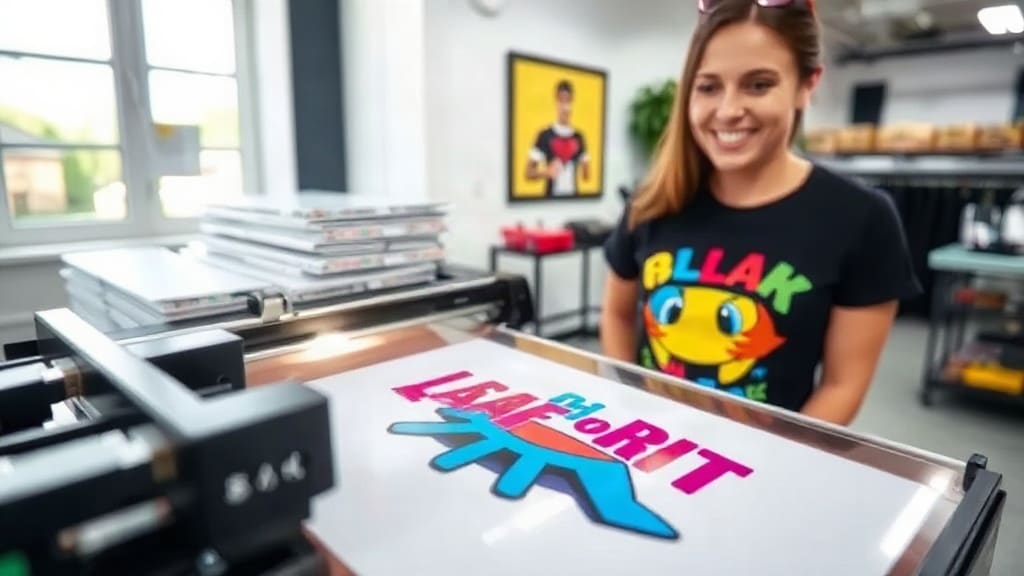
If you're in the custom apparel business, you've likely heard the buzz around DTF printing. Direct-to-film technology has revolutionized how we create custom shirts, hoodies, and accessories. But what exactly are DTF transfers? How do they compare to traditional methods like screen printing or heat transfer vinyl? And how do you find reliable DTF transfers near me? This comprehensive guide answers all these questions and more, providing real-world insights to help you make informed decisions for your printing projects.
What Is DTF Printing?
DTF stands for Direct-to-Film. It's a digital printing method where a special film is printed with a design using water-based inks and adhesive powder. The film is then heat-pressed onto fabric, transferring the design. This technique has gained massive popularity because it allows for vibrant, detailed prints on a wide variety of fabrics, including cotton, polyester, blends, and even tricky materials like nylon or leather.
How DTF Transfers Are Made
The process starts with a digital design. A specialized DTF printer prints the design in reverse onto a PET film. After printing, a hot-melt adhesive powder is applied to the wet ink. The film is then heated to cure the adhesive. The result is a ready-to-transfer film that can be stored and used later. When you order DTF transfers, you receive these pre-printed films, and all you need is a heat press to apply them to your garments.
Why Choose DTF Transfers?
There are several reasons why DTF has become a go-to method for both small businesses and large-scale decorators.
Versatility Across Fabrics
Unlike screen printing, which works best on cotton, or sublimation, which only works on polyester, DTF prints adhere beautifully to virtually any fabric. This flexibility means you can offer custom products on a broader range of materials without investing in multiple printing systems.
Vibrant Colors and Fine Details
DTF printing uses CMYK plus white ink, allowing for bright, opaque colors even on dark fabrics. The resolution is high, capturing fine lines and intricate details that might be lost with other methods. If you're printing logos, photographs, or complex graphics, DTF delivers exceptional quality.
Durability and Washability
When applied correctly, DTF transfers are incredibly durable. They can withstand repeated washing without cracking, fading, or peeling. This makes them ideal for workwear, sports apparel, and everyday clothing that sees heavy use.
DTF vs. Other Printing Methods
Understanding how DTF stacks up against alternatives helps you decide when to use it.
DTF vs. Screen Printing
Screen printing is excellent for large bulk orders with simple designs. However, it requires significant setup time and cost. DTF has no setup fees and is perfect for small to medium runs, especially when you need multiple colors or gradients. For one-off items or small batches, DTF is a cost-effective choice.
DTF vs. Heat Transfer Vinyl (HTV)
HTV is easy to use and great for simple designs, but it lacks the color range and detail of DTF. HTV is also prone to cracking over time. DTF offers a softer hand feel and better durability.
DTF vs. Sublimation
Sublimation produces vibrant prints but only works on polyester or polymer-coated items. DTF works on cotton and blends, making it a more versatile option. If you're printing on cotton t-shirts, DTF is the clear winner.
Cost Considerations: Is DTF Worth It?
Investing in DTF equipment can be significant, but many businesses find it pays off quickly.
Equipment Costs
A professional DTF printer, film, inks, and powder can set you back several thousand dollars. However, if you're only doing occasional printing, you might consider using a service that offers DTF transfers near me. This way, you avoid the capital expense and still enjoy the benefits.
Per-Print Costs
The cost per DTF transfer depends on factors like size, color complexity, and quantity. Generally, for small quantities, DTF is more affordable than screen printing. As volume increases, screen printing may become cheaper. But for most small to medium runs, DTF offers competitive pricing.
How to Apply DTF Transfers
Applying DTF transfers is straightforward, but there are critical steps to ensure a perfect result.
- Prepare your garment: Pre-press the shirt for a few seconds to remove moisture and wrinkles.
- Position the film: Place the printed film on the garment with the design facing down.
- Heat press: Apply firm pressure using a heat press set to approximately 320°F (160°C) for 10-15 seconds.
- Peel: Wait a few seconds, then peel the film away. Ideally, you'll do a cold peel for best results.
- Final press: Place a parchment paper over the print and press again for a few seconds to ensure full adhesion.
Always follow the specific instructions from your transfer supplier, as times and temperatures can vary.
Finding the Best DTF Transfers Near You
If you're not ready to invest in equipment, searching for "DTF transfers near me" is a smart move. But not all suppliers are equal. Here's what to look for:
Quality of Prints
Ask for samples. A reputable supplier will gladly provide a sample transfer so you can test print quality, washability, and hand feel. Look for vibrant colors, crisp edges, and no adhesive residue.
Turnaround Time
In the custom apparel business, speed matters. Choose a supplier that offers quick turnaround, especially if you have deadlines. Many services offer next-day or rush options.
Customer Reviews
Check online reviews and ask other business owners for recommendations. Real experiences can give you insight into reliability and customer service.
Pricing Transparency
Make sure the pricing is clear, with no hidden fees. Some suppliers charge extra for white ink coverage or complex designs. A good supplier will provide a straightforward quote.
DIY DTF: A Personal Experience
I've been using DTF for over a year now. Initially, I was skeptical about the hype, but after trying it for a custom order of 50 hoodies, I was amazed by the quality. The colors were vibrant, and even after multiple washes, the prints showed no signs of wear. Since then, I've shifted most of my production to DTF, especially for small orders and samples.
One tip I learned: always invest in a good heat press. Even the best DTF transfer won't look good if the application is inconsistent. Also, don't rush the peeling process. Patience ensures a clean transfer.
Common Mistakes to Avoid with DTF
Avoid these pitfalls to get the most out of your DTF transfers.
Ignoring Material Compatibility
While DTF works on many fabrics, it performs best on materials that can withstand high heat. Always check if your fabric is heat-press safe.
Skipping Pre-Press
Pre-pressing removes moisture and wrinkles, which can affect adhesion. Don't skip this step.
Incorrect Temperature and Time
Too little heat or time leads to poor adhesion, while too much can cause scorching. Use a reliable heat press and follow guidelines.
Peeling Too Quickly
If you peel while the adhesive is still hot, you risk warping the design. Always allow a few seconds for the adhesive to set.
Future of DTF Technology
The DTF market is growing rapidly. Innovations in ink formulations and films are making the process even more efficient and eco-friendly. Some printers now offer hybrid capabilities, allowing you to switch between DTF and other methods seamlessly. As a business owner, staying updated with these trends can give you a competitive edge.
Frequently Asked Questions
How long do DTF transfers last?
DTF transfers are highly durable. When applied correctly, they can last for years, withstanding over 50 washes without significant fading or cracking. The key is proper application and aftercare, such as washing inside out.
Can I use DTF transfers on dark shirts?
Absolutely. One of the biggest advantages of DTF is its ability to print white ink underneath the design, ensuring vibrant colors appear on dark fabrics. This makes DTF ideal for black or navy shirts.
What is the minimum order quantity for custom DTF transfers?
Unlike screen printing, DTF has no minimum order. You can order a single transfer or thousands. Many suppliers offer no minimum, making it perfect for small businesses and even individual crafters.
Do I need a heat press to apply DTF transfers?
Yes, a heat press is essential for applying DTF transfers. A home iron might not provide even pressure and temperature, leading to poor adhesion. Invest in a quality heat press for professional results.
Can DTF transfers be used on items other than clothing?
Yes, DTF transfers work on various items like tote bags, aprons, hats, and even mousepads. As long as the surface can withstand heat and is fabric or fabric-like, DTF can be used.
Conclusion
DTF transfers have truly transformed the custom apparel industry. Their versatility, durability, and ease of use make them an excellent choice for both beginners and professionals. Whether you're looking to start a printing business or just need a few custom shirts, exploring options for DTF transfers near me is a great first step. With the right supplier and technique, you can produce stunning, long-lasting prints that will impress your clients and customers.