
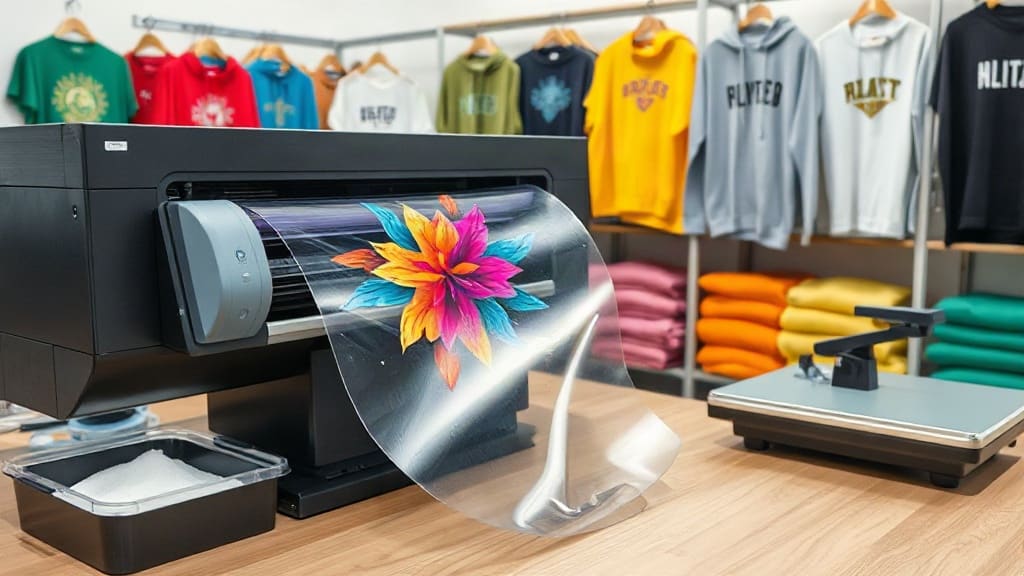
If you're in the custom apparel business, you've likely heard about DTF transfers. This printing method has taken the industry by storm, offering a versatile and cost-effective way to create vibrant designs on various fabrics. In this guide, we'll dive deep into what makes DTF transfers so popular, how they work, and why they might be the perfect addition to your printing arsenal.
What Are DTF Transfers?
DTF stands for Direct to Film. Unlike direct-to-garment (DTG) printing, where the ink is applied directly to the shirt, DTF involves printing your design onto a special film first. Then, a powder adhesive is applied to the wet ink, and the film is cured. Finally, the design is transferred to the garment using heat and pressure. This process allows for incredible detail and versatility.
Key Benefits of DTF Transfers
Why have DTF transfers become so popular? The advantages are numerous, making it a go-to method for both small startups and established print shops.
Versatility Across Fabrics
One of the biggest selling points is that DTF works on virtually any fabric. Whether it's cotton, polyester, blends, nylon, or even leather, DTF transfers adhere beautifully. This is a huge advantage over methods like sublimation, which only works on polyester, or vinyl, which can be tricky on certain materials.
Vibrant Colors and Fine Details
DTF printing uses CMYK plus white ink, allowing for bright, opaque colors even on dark garments. The detail reproduction is exceptional, making it possible to print intricate designs with small text and fine lines without losing quality.
Cost-Effective for Small Runs
Unlike screen printing, which has high setup costs and is only economical for bulk orders, DTF transfers are perfect for small quantities. You can print one-off designs or small batches without breaking the bank. This makes it ideal for custom orders, samples, or niche products.
No Weeding Required
If you've worked with vinyl, you know the tedious process of weeding. With DTF, there's no weeding involved. The design is printed, powdered, and ready to transfer. This saves time and labor, increasing your productivity.
Stretchable and Durable
DTF transfers are known for their durability. The adhesive powder creates a strong bond, and the prints can withstand repeated washing without cracking or fading. They also have a nice soft hand feel, unlike some thick vinyl applications.
How to Use DTF Transfers
Using DTF transfers is straightforward, but there are some tips to get the best results.
Printing Your Design
First, you'll need a DTF printer, which is essentially a modified inkjet printer that uses pigment inks and white ink. You'll also need DTF film and powder. Print your design in reverse (mirrored) on the film, ensuring that the white ink layer is printed first, followed by the CMYK colors.
Applying the Powder
While the ink is still wet, cover the design with DTF adhesive powder. Shake off the excess and then cure the powder in an oven or using a heat press with a Teflon sheet. The powder melts and becomes tacky, ready for the final transfer.
Heat Pressing
Place the film on your garment with the design facing down. Use a heat press set to around 320°F (160°C) and apply medium pressure for about 15 seconds. Peel the film off while it's still hot or cold, depending on the type of film you're using. For best results, do a second press with a protective sheet to ensure full adhesion.
DTF Transfers vs. Other Methods
To understand why DTF is so appealing, let's compare it to other popular printing methods.
DTF vs. DTG
DTG printing is great for cotton shirts but struggles on synthetics. DTF works on both. DTG also requires pre-treatment for dark garments, while DTF doesn't. DTF is often faster for one-off prints because you can print multiple designs on a single film sheet and transfer them sequentially.
DTF vs. Screen Printing
Screen printing is unbeatable for very large runs due to its low per-unit cost. However, the setup is expensive and time-consuming. DTF has no setup costs, making it ideal for short runs and quick turnarounds. For orders under 50 pieces, DTF is often more economical.
DTF vs. Vinyl
Vinyl is limited to simple designs with few colors. DTF can produce full-color, photo-quality prints. Vinyl also requires weeding, which is labor-intensive. DTF is easier and more versatile for complex designs.
Tips for Getting the Best Results
To make the most of your DTF transfers, follow these best practices.
Choose the Right Film
There are different types of DTF films: PET (polyethylene terephthalate) and BOPP (biaxially oriented polypropylene). PET is more common and works well with most inks. Make sure you choose a film that matches your printer and ink type.
Use High-Quality Inks
Invest in good pigment inks and a reliable white ink. Cheap inks can cause clogging and poor adhesion. Also, always shake the white ink cartridge or bottle regularly to prevent settling.
Optimize Your Pressing
Heat, pressure, and time are crucial. Too little heat and the adhesive won't activate; too much can scorch the fabric. Follow the manufacturer's recommendations and test on scrap fabric first.
Pre-Press Your Garments
To remove moisture and wrinkles, pre-press your garments for about 2-3 seconds before applying the transfer. This ensures a smoother application and better adhesion.
Common Mistakes to Avoid
Even experienced printers can make errors with DTF. Here are some pitfalls to avoid.
Skipping the Powder Cure
Curing the powder properly is essential. If it's under-cured, the adhesive won't activate correctly, leading to poor adhesion. Over-curing can make the film brittle. Use a temperature-controlled oven or a heat press with a Teflon sheet to cure evenly.
Not Mirroring the Design
Always print your design mirrored. If you don't, the transfer will come out backwards. Double-check your file before printing.
Using Too Much or Too Little Powder
Excess powder can cause a rough texture, while too little results in weak adhesion. Shake off the excess thoroughly, but make sure the entire design is covered.
Frequently Asked Questions
Can DTF transfers be used on any color of fabric?
Yes, DTF transfers work well on both light and dark fabrics. The white ink layer ensures that the design stands out even on black or navy garments, providing opacity similar to screen printing.
How many washes can DTF prints withstand?
With proper application, DTF prints can last for 40-60 washes or more without significant fading or cracking. Using high-quality materials and following recommended washing instructions (turn inside out, cold water, no bleach) will extend the life of the print.
Do I need a special printer for DTF?
Yes, you need a printer that can handle DTF inks, particularly white pigment ink. You can either purchase a dedicated DTF printer or convert a suitable inkjet printer with a bulk ink system. Many manufacturers offer affordable DTF printer packages.
Is DTF printing eco-friendly?
DTF inks are water-based and do not contain harmful solvents, making them safer for the environment than some plastisol inks. Additionally, DTF produces minimal waste compared to screen printing, as there is no screen cleaning or emulsion waste.
Can I use DTF transfers to print on other materials besides clothing?
Absolutely! DTF transfers can be applied to tote bags, caps, aprons, pillowcases, and even hard surfaces like mousepads and phone cases, as long as they can withstand heat. This versatility opens up many product possibilities.
Conclusion
DTF transfers offer a fantastic combination of versatility, quality, and cost-effectiveness. Whether you're a hobbyist or a professional printer, incorporating DTF into your workflow can help you take on a wider range of jobs and satisfy your customers with durable, vibrant prints. With the right equipment and a little practice, you'll be producing stunning apparel in no time. So why not give DTF a try? You might find it becomes your new favorite method.