
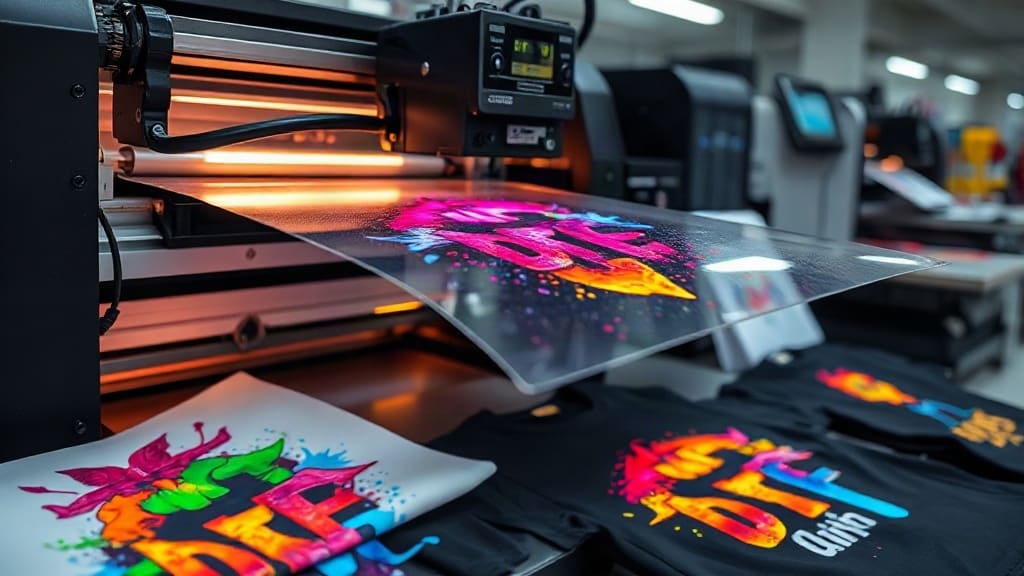
Have you ever wondered how custom t-shirts and apparel get those vibrant, detailed prints that feel soft to the touch? The answer often lies in DTF, or direct-to-film, printing. This technology has revolutionized the custom apparel industry, offering a versatile and cost-effective alternative to traditional methods. Whether you're a small business owner, a hobbyist, or just a curious consumer, understanding DTF transfers can open up a world of possibilities.
In this guide, we'll dive deep into what DTF printing is, how it works, its advantages and limitations, and how to find the best DTF transfers near me. By the end, you'll have a solid understanding of this game-changing technique and be able to make informed decisions for your projects.
What Are DTF Transfers?
DTF transfers are a method of printing designs onto a special film, which is then transferred to fabric using heat and pressure. Unlike traditional screen printing, which requires creating screens for each color, DTF printing can produce full-color, high-detail images in a single pass. The process involves printing a design onto a PET film, applying a layer of adhesive powder, and then curing it. The final transfer is placed onto the garment and heat-pressed, resulting in a durable, vibrant print.
How DTF Printing Works
The DTF process can be broken down into several steps:
- Printing: A specialized DTF printer prints the design onto a clear film using CMYK (cyan, magenta, yellow, black) and white ink. The white ink acts as a base to make colors pop on dark fabrics.
- Adhesive Application: While the ink is still wet, a hot-melt adhesive powder is applied to the printed side of the film. This powder is what bonds the design to the fabric.
- Curing: The film is then passed through a curing oven or heat source to melt the powder and activate the adhesive.
- Transfer: The cured film is placed onto the garment, and a heat press applies heat and pressure for a specific time and temperature, typically around 300°F for 10-15 seconds.
- Peeling: After cooling slightly, the film is peeled away, leaving the design perfectly adhered to the fabric.
Why Choose DTF Transfers?
DTF has gained immense popularity for several reasons:
Versatility
One of the biggest advantages of DTF is its ability to print on virtually any fabric, including cotton, polyester, blends, and even leather. Unlike methods like sublimation, which only work on polyester, DTF can handle a wide range of materials with excellent results.
High Detail and Vibrant Colors
Because DTF printing uses a white base, colors remain vibrant and opaque even on dark garments. The process can reproduce intricate details, gradients, and photographic images with clarity that rivals screen printing.
Cost-Effective for Small Orders
Traditional screen printing has high setup costs, making it impractical for low quantities. DTF transfers have minimal setup, so you can print just one shirt or a batch without breaking the bank. This makes it ideal for small businesses, custom orders, and test runs.
Durability
DTF prints are known for their durability. They can withstand repeated washing and stretching without cracking or peeling, making them suitable for everyday wear, sportswear, and even work uniforms.
No Minimums
Many DTF transfer providers offer services with no minimum order quantity, allowing you to print single items or small quantities easily. This is a game-changer for personalized gifts or limited editions.
DTF vs. Other Printing Methods
To truly appreciate DTF, it's helpful to compare it to other popular techniques:
Screen Printing
Screen printing is excellent for large batches with simple designs. It offers vibrant colors and durability, but setup costs are high, and each color requires a separate screen. DTF offers more flexibility and is more cost-effective for small runs.
Direct-to-Garment (DTG)
DTG printing works like a regular inkjet printer but on fabric. It's great for detailed designs on cotton but struggles with non-cotton materials and dark fabrics without pretreatment. DTF has broader fabric compatibility and often produces more vibrant results on dark garments.
Sublimation
Sublimation uses heat to transfer dye into polyester fibers, resulting in prints that don't fade. However, it only works on light-colored polyester fabrics. DTF is more versatile and works on both natural and synthetic fibers.
Each method has its place, but DTF stands out for its versatility, ease of use, and suitability for short runs.
What Can You Do with DTF Transfers?
DTF opens up endless creative possibilities:
- Custom t-shirts and hoodies for events, teams, or businesses
- Personalized apparel for birthdays, holidays, or special occasions
- Branded merchandise for online stores or boutiques
- Workwear with logos and safety markings
- Tote bags, caps, and other accessories
- Art prints and designs for craft projects
Because DTF can handle complex designs and a variety of materials, it's perfect for pushing creative boundaries.
How to Find Reliable DTF Transfers Near Me
Now that you're excited about DTF, you might be searching for DTF transfers near me. Here are some tips to find a trustworthy provider:
Do Your Research
Start by searching online for local printing shops that offer DTF services. Read reviews on Google, Yelp, and social media to gauge customer satisfaction. Look for examples of their work, especially on dark and light fabrics.
Ask About Quality
Contact providers and inquire about their inks, films, and powder quality. High-quality materials make a significant difference in the final result. Ask about their peeling process and whether they offer any warranty or replacement for defects.
Request Samples
Before placing a large order, ask for a sample transfer to test on your own garment. This will let you assess the print quality, feel, and wash durability.
Compare Pricing
Prices can vary widely, so compare quotes from multiple providers. Be wary of extremely low prices, as they may indicate inferior materials or craftsmanship.
Check Turnaround Time
If you have a deadline, ensure the provider can meet it. Some offer rush services for an additional fee.
Consider Online Options
If local options are limited or too expensive, consider reputable online DTF services. Many offer convenient ordering, fast shipping, and competitive prices. However, factor in shipping costs and delivery time.
DIY DTF: Is It Worth It?
If you're a frequent creator, you might consider investing in your own DTF equipment. Here's what you'll need:
- A DTF printer (modified Epson or dedicated DTF printer)
- DTF ink set (CMYK + white)
- PET film rolls
- Hot-melt adhesive powder
- Heat press
- Curing oven or heat gun
The initial investment can range from a few hundred to several thousand dollars. While it offers long-term savings for high-volume users, it requires technical knowledge, maintenance, and practice to achieve professional results. For most individuals, using a professional service is more practical.
The Future of DTF Technology
DTF is constantly evolving. Advances in ink formulation, printer technology, and automation are making it even more accessible and efficient. We can expect faster production speeds, improved color accuracy, and eco-friendly options in the near future. As the demand for personalized products continues to grow, DTF is well-positioned to become a staple in the apparel industry.
Frequently Asked Questions
How many washes can a DTF transfer withstand?
DTF transfers are highly durable and can typically withstand 60 or more washes when applied correctly and cared for properly. To maximize longevity, wash garments inside out in cold water and avoid using bleach or fabric softeners.
Can DTF transfers be used on any fabric?
Yes, DTF transfers can be applied to a wide range of fabrics, including cotton, polyester, nylon, leather, and blends. However, the best results are achieved on materials that can withstand the heat press temperature (around 300°F). For delicate fabrics, always test first.
What is the difference between DTF and sublimation?
Sublimation printing uses heat to turn dye into gas, which then bonds with polyester fibers. It only works on light-colored, polyester-based fabrics. DTF, on the other hand, prints onto a film with adhesive powder and can bond with various materials, including cotton and dark fabrics, making it more versatile.
How much do DTF transfers cost?
The cost of DTF transfers varies based on design complexity, size, quantity, and provider. On average, a single 8x10 inch transfer might cost between $3 and $7. Bulk orders usually reduce the per-unit price. For a custom quote, it's best to contact a provider directly.
Can I use DTF transfers at home?
Yes, DTF transfers are designed to be applied with a standard heat press, which many crafters already own. If you have a heat press, you can easily apply DTF transfers to garments at home. Just follow the instructions for temperature, pressure, and peel time provided by the transfer manufacturer.
Final Thoughts
DTF transfers have truly transformed the custom apparel landscape. Their versatility, vibrant results, and cost-effectiveness make them an attractive option for anyone looking to create custom clothing. Whether you're a business owner, a crafter, or someone who simply wants a unique gift, DTF offers a practical solution.
If you're ready to start your DTF journey, take the time to research providers, ask for samples, and compare options. With the right partner, you'll be amazed at the quality and possibilities that DTF can bring to your projects. So why wait? Dive in and explore the world of direct-to-film printing today.